

How to Tell if a Solar Street Light Is Good Quality (Beginner’s Guide)
Apr 10, 2026
Leave a message
Many buyers and project planners looking for solar street lights often feel confused when faced with so many different models and suppliers. It's easy to be attracted by low prices or attractive appearances, but after installation, problems like insufficient brightness, short working hours, rusting, or sudden failures start to appear. In reality, you don't need professional tools or deep engineering knowledge to judge whether a solar street light is reliable. With some simple observation and basic understanding, you can already tell a quality product from a low-cost inferior one.
A good solar street light is not just about looking solid or shining brightly at first glance. It is designed to operate stably for years, especially in outdoor environments with high temperatures, humidity, dust, or coastal salt spray. The real quality lies in the materials, components, craftsmanship, and protection level, which many buyers easily overlook when comparing prices.
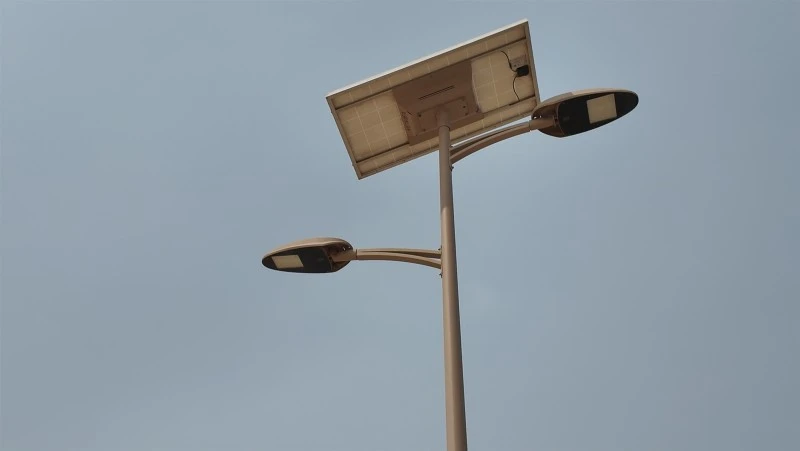
One of the most straightforward ways to check quality is by looking at the build and surface treatment. A well-made lamp body feels heavy and firm, with smooth spraying and tight assembly gaps. Cheap products often use thin casing materials, rough welding, and loose fitting, which will quickly accumulate dust, allow water to enter, or start rusting within a short time. For coastal and high-humidity areas in Africa, corrosion resistance is especially important. Lamps with professional anti-corrosion treatment can maintain their appearance and structure for a long time, while low-quality ones will show obvious rust spots in just a few months.
The performance of core components also directly determines quality. High-efficiency solar panels ensure sufficient power absorption even on cloudy or weak-light days, while low-efficiency panels may lead to insufficient charging and early dimming or shutdown. A quality LED light source provides even, soft, and high-brightness lighting without flickering, which also means lower energy consumption and longer lifespan. Inferior LEDs often have uneven brightness, fast light decay, and may burn out prematurely.
Battery and controller quality are equally critical, though they are often hidden inside the lamp. A reliable battery supports stable charging and discharging, long cycle life, and good performance in high-temperature environments. The controller manages power intelligently, preventing overcharging or over-discharging and improving overall energy efficiency. Many cheap solar lights use low-standard batteries and simple controllers, which lead to short backup time, unstable performance, and greatly shortened service life.
Waterproof and dustproof performance is another key indicator that cannot be ignored. Outdoor lights must withstand rain, moisture, and dust all year round. Products with good sealing and high protection levels can avoid internal short circuits, component corrosion, and frequent failures. Without reliable waterproofing, even the brightest light will quickly become unusable after heavy rains or long-term exposure to moisture.
Beyond hardware, a truly good solar street light also reflects rational design and practicality. The lighting angle, battery capacity, and panel size should be reasonably matched, not blindly pursuing high power or exaggerated parameters. Reliable manufacturers usually provide clear product specifications, test reports, and certification documents, rather than just relying on vague promotional language.
In the end, choosing a good solar street light means choosing long-term stability and lower overall costs. A slightly higher upfront investment can save huge maintenance, repair, and replacement expenses later. Whether you are purchasing for community roads, rural projects, or coastal areas, taking the time to observe materials, craftsmanship, components, and protection will help you avoid most quality risks and select products that truly perform in real working environments.