



Founded in the early 2000s, Edobo has over 20 years of experience in producing high-quality solar components. The company started out as a small workshop, specializing in the production of photovoltaic cells and solar panels. Since then, it has grown to become one of the leading solar component manufacturers in the region. Edobo's success is attributed to its commitment to excellence, continuous innovation, and a focus on customer satisfaction. We invest a significant amount of resources in the research and development of solar components.
Our Advantages
Advanced Production Line
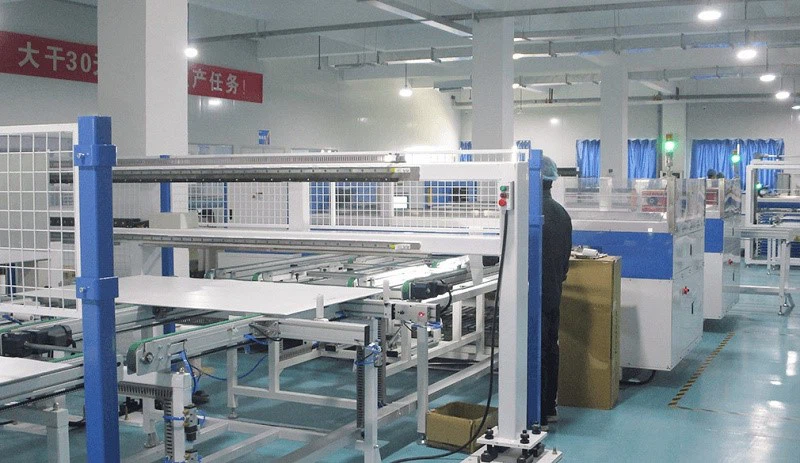
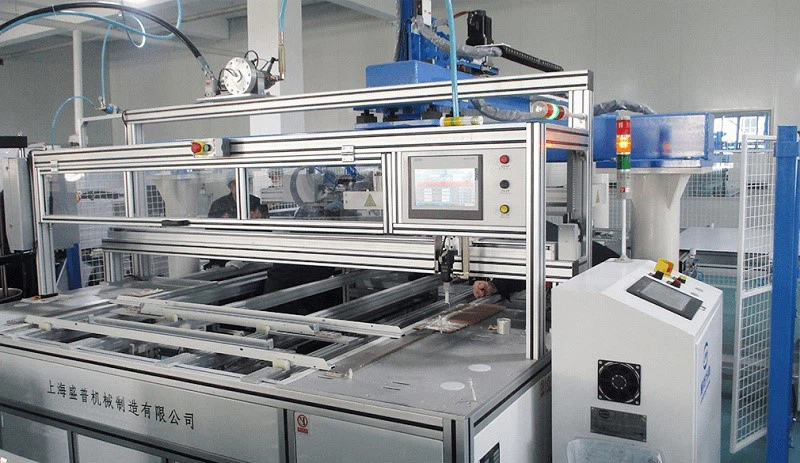
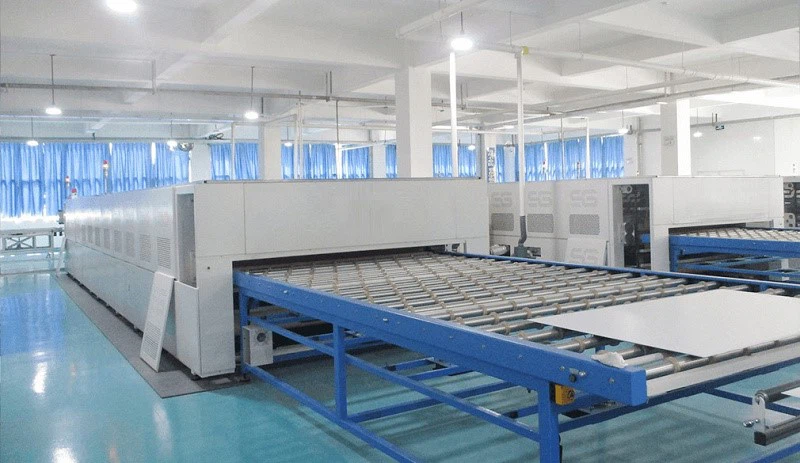
Our company has expanded its manufacturing facilities to include state-of-the-art production lines and advanced manufacturing technology. This allows Edobo to increase production capacity while maintaining high-quality standards.
Rich Experience
Edobo is a solar module manufacturing company with more than 20 years of experience and has established a state-of-the-art modern factory. The factory covers an area of 60,000 square meters and can achieve large-scale production.
Strict Quality Control
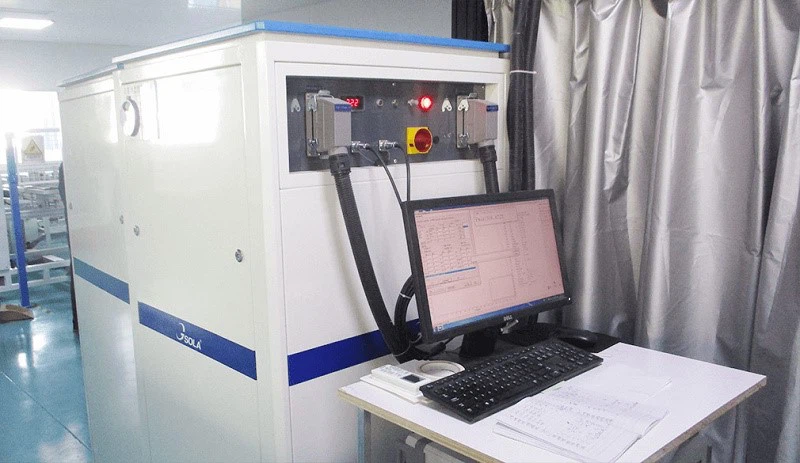
Our factory is equipped with advanced production lines and cutting-edge technology, and the production process is strictly monitored to ensure the quality of each panel.
Broad Sales Market
Our company has achieved impressive sales in the global market, and its products are exported to more than 100 countries and regions around the world. Quality solar panels, solar power systems, inverters, and batteries are highly sought after.
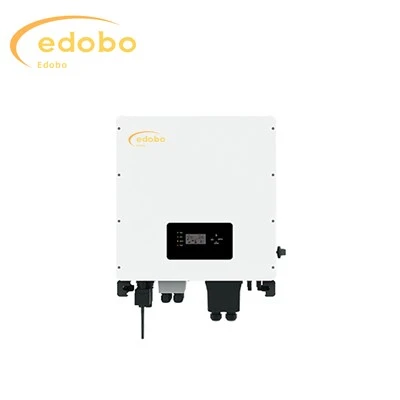
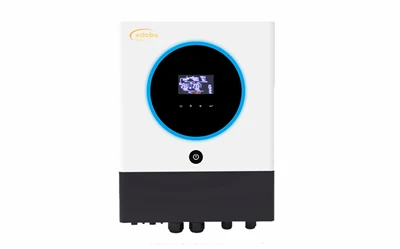

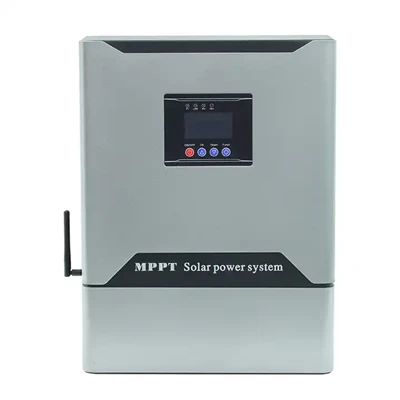
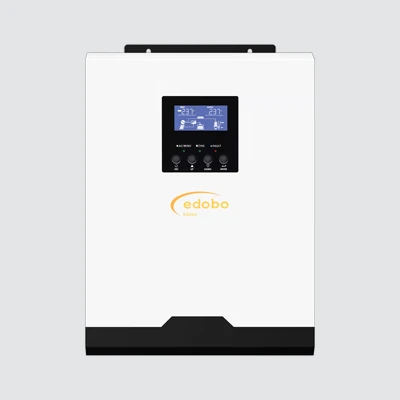
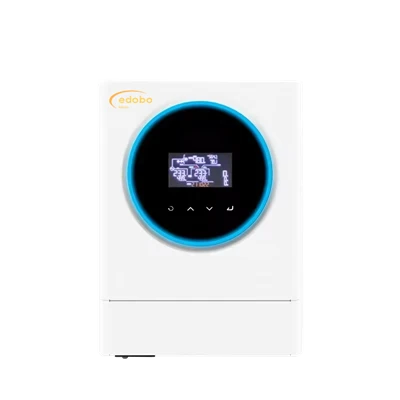
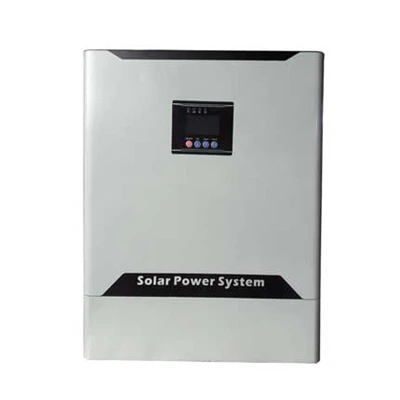


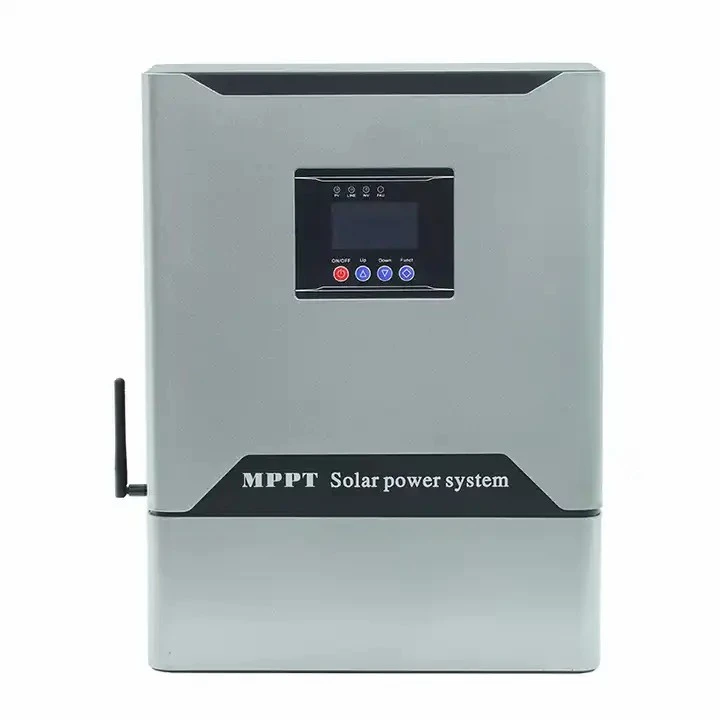
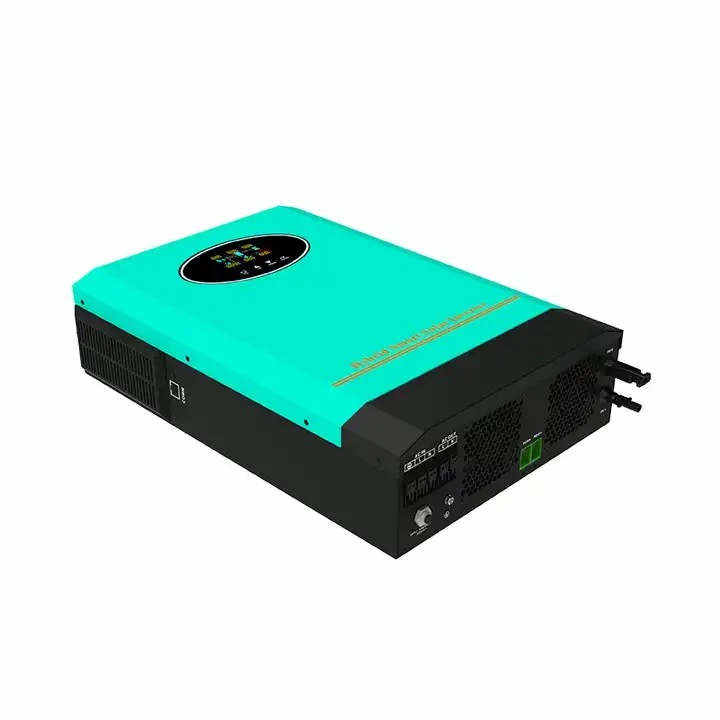
An inverter converts the DC voltage to an AC voltage. In most cases, the input DC voltage is usually lower while the output AC is equal to the grid supply voltage of either 120 volts, or 240 Volts depending on the country. The inverter may be built as standalone equipment for applications such as solar power, or to work as a backup power supply from batteries which are charged separately.
Common Types of Inverters
According to the Output Characteristic
Square Wave Inverter
The output waveform of the voltage for this inverter is a square wave. This type of inverter is least used among all other types of inverter because all appliances are designed for sine wave supply. If we supply square wave to sine wave based appliance, it may get damaged or losses are very high. The cost of this inverter is very low but the application is very rare. It can be used in simple tools with a universal motor.
Sine Wave
The output waveform of the voltage is a sine wave and it gives us a very similar output to the utility supply. This is the major advantage of this inverter because all the appliances we are using, are designed for the sine wave. So, this is the perfect output and gives guarantee that equipment will work properly. This type of inverters is more expensive but widely used in residential and commercial applications.
Modified Sine Wave
The construction of this type of inverter is complex than simple square wave inverter but easier compared to the pure sine wave inverter. The output of this inverter is neither pure sine wave nor the square wave. The output of such inverter is the some of two square waves. The output waveform is not exactly sine wave but it resembles the shape of a sine wave.
According to the Source of the Inverter
Current Source Inverter
In CSI, the input is a current source. This type of inverters is used in the medium voltage industrial application, where high-quality current waveforms are compulsory. But CSIs are not popular.
Voltage Source Inverter
In VSI, the input is a voltage source. This type of inverter is used in all applications because it is more efficient and have higher reliability and faster dynamic response. VSI is capable of running motors without de-rating.
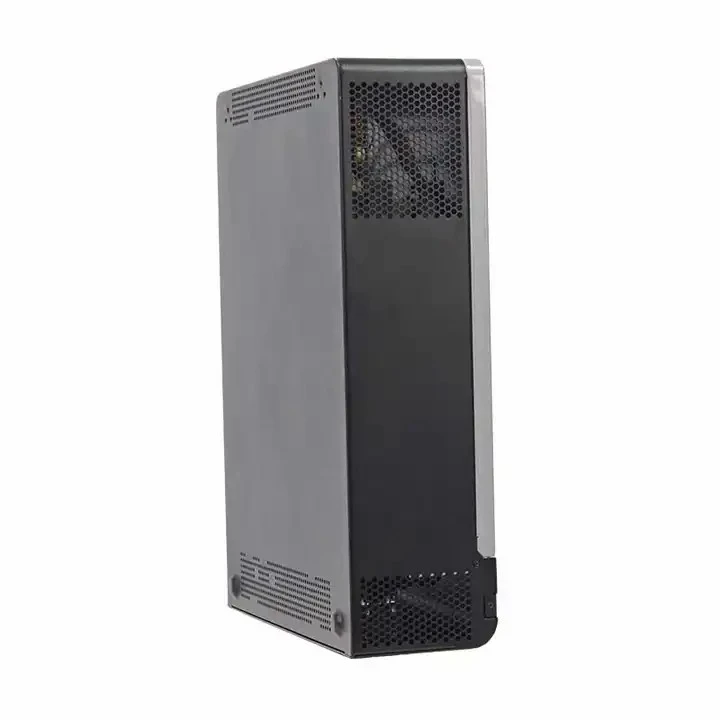
According to the Type of Load
Single-Phase Inverter
Generally, residential and commercial load uses single phase power. The single-phase inverter is used for this type of application.
Three Phase Bridge Inverter
In case of industrial load, three phase ac supply is used and for this, we have to use a three-phase inverter. In this type of inverter, six thyristors and six diodes are used and they are connected as shown in below figure.
Advantages of Inverter
Power up Anywhere
The first pro is the portability of inverters. These handy devices allow you to power up your electronic goodies anywhere you go. Whether you're on a camping trip, road-tripping across the country, or just chilling at a friend's place, with an inverter, you're never far away from charging your devices and staying connected. It's like having your own personal power station on the go!
Versatility at Its Best
Inverters are like the chameleons of the electrical world. They can power up a wide range of devices, from smartphones and laptops to power tools and small appliances. So, whether you need to charge your phone or fire up your blender for a smoothie-making extravaganza, the solar inverter has got your back. It's like having a Swiss Army knife for power!
Energy Efficiency
Saving energy is not just good for your conscience, but also for your wallet. Power inverters have become more energy-efficient over time, ensuring that the power from your battery or power source is used efficiently. With the right inverter, you can minimize power loss during the conversion process and maximize the runtime of your devices. Who doesn't love that?!
Backup Power Hero
Picture this: a sudden power outage strikes, leaving you in darkness and despair. But fear not, for the pure sine wave inverter comes to the rescue! With a backup battery system and a trusty inverter, you can keep essential devices running, like lights, refrigerators, and even your Wi-Fi router. It's like being your own superhero, saving the day with uninterrupted power supply!
Application of Inverter
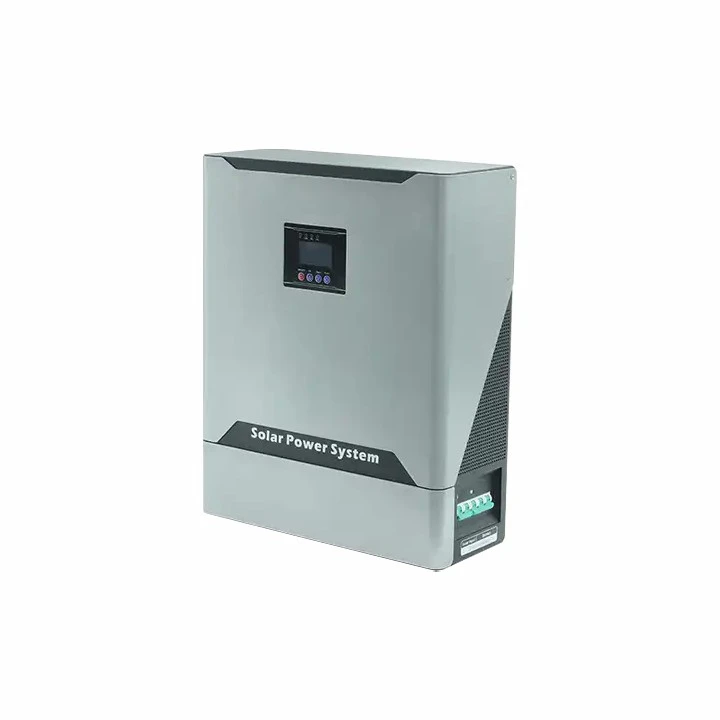
DC Power Source Usage
An inverter converts direct current (DC) power generated by batteries or fuel cells to alternating current (AC). The electricity can be at any voltage necessary. For instance, power AC equipment built for mains operation or rectified to create DC at any desired voltage. Other power inverters include jumper-like wires that can be connected directly to a battery. This is necessary to supply more powerful equipment.
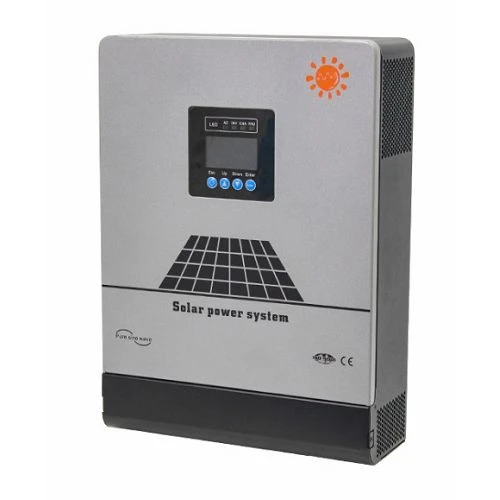
Uninterruptible Power Supplies
When mains power is unavailable, an uninterruptible power supply (UPS) utilizes batteries and an inverter to provide AC power. A rectifier produces DC electricity to replenish the batteries when the main power is restored. The Federal Energy Management Program (FEMP) presented acquisition guidance for uninterruptible power supplies (UPS).
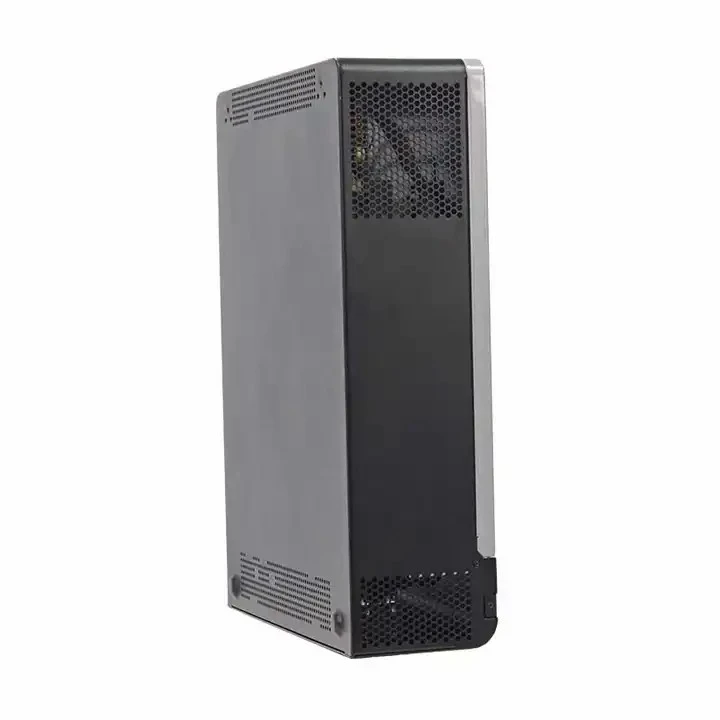
In Refrigeration Compressors
To adjust system performance, an inverter can be used to manage the speed of the compressor motor to drive variable refrigerant flow in a refrigeration or air conditioning system.
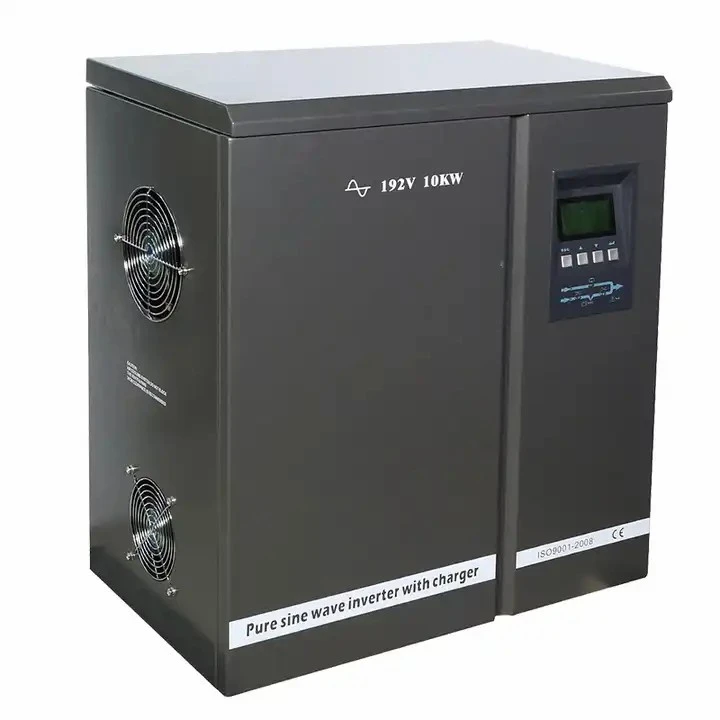
In Entertainment Devices
Power inverters can be used in entertainment devices such as televisions and DVD players to convert DC power from batteries into the AC needed to prduce a picture.
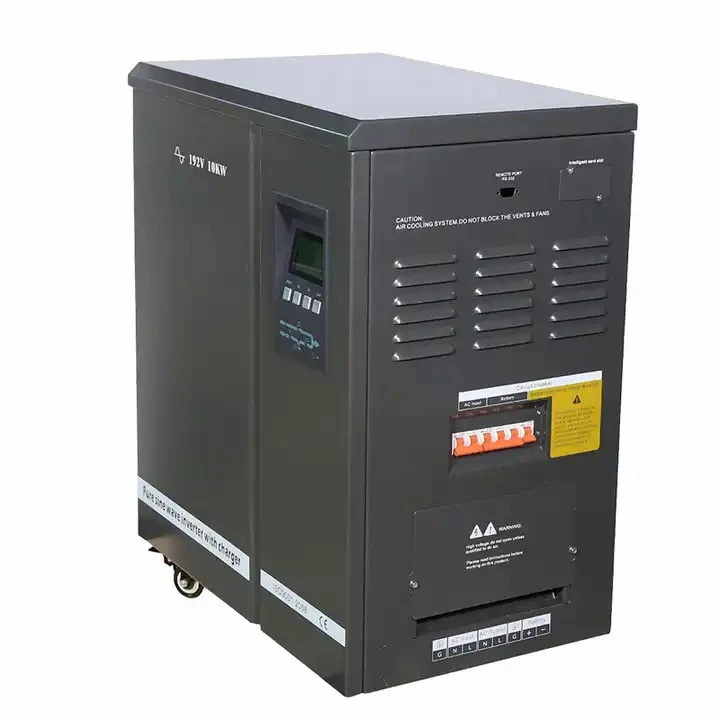
Industrial Power Supplies
An inverter can also provide electrical power for industrial applications such as robotics, solar photovoltaics (PV), and standard and customized power tools.
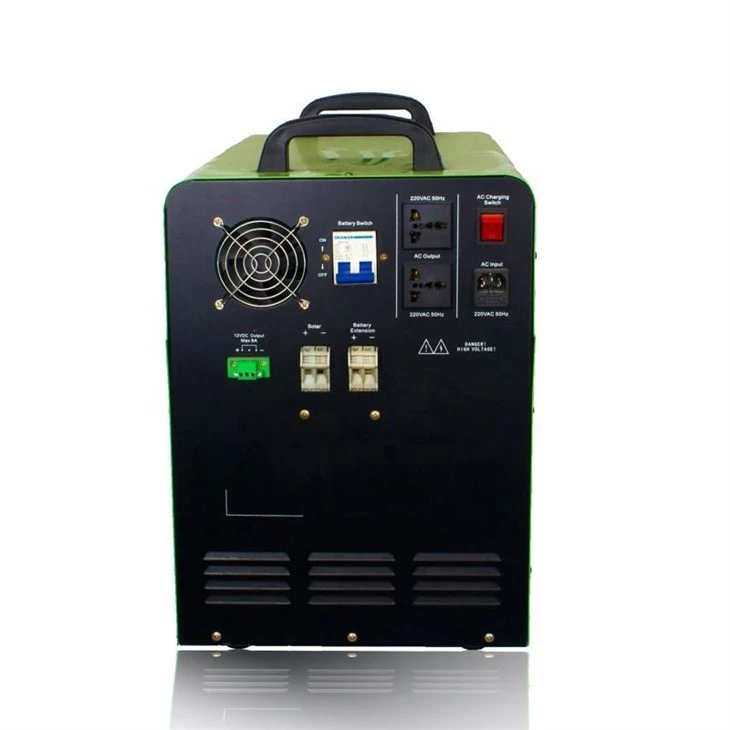
Carriers, Sources & Other Devices
Inverters can be used with batteries as a direct DC-to-DC converter to provide a charging current on the input side or supply power on the output side. In some cases, an unregulated or fixed voltage source is connected to an inverter's input terminals used to produce a regulated or adjustable voltage at the inverter's output terminals. Inverters are used for AC motor speed control in film projectors, peristaltic pumps in intravenous infusion, syringe pumps in liquid dispensing, and are also being explored for high-powered lasers.
Working Principle of Inverters
The inverter's working concept is similar to that of a switching power supply. It uses an oscillating chip or a specialized circuit to control the output of the oscillating signal, which is amplified to force the FET to flip continually. After adjustment, the AC characteristics of can produce a sine wave AC similar to the power grid.
A power survey device called an inverter is required for stand-alone solar systems that use AC loads. The size of the set DC voltage is a significant consideration when choosing an inverter. The inverter's output can be classified into two types: DC output and AC output. The inverter is known as a converter for DC output because it converts DC voltage to DC voltage so that it can provide the voltage required for the functioning of DC loads of various voltages.
In addition to output power and voltage, waveform and frequency should be addressed for AC output. Pay attention to the inverter's DC voltage requirements and the variation in the surge voltage it can withstand at the input end.
The gate drive circuit of the power switch tube can be controlled by a logic circuit or a dedicated control chip, a general-purpose single-chip microcomputer or a DSP chip, etc. The voltage regulation capability of the inverter output is possible. Using the bridge inverter as an example, the rated voltage of the AC bus output by the inverter should be 10%–20% lower than the rated voltage of the DC bus (the purpose is to make It has certain stability).
The inverter is then controlled by PWM to provide a margin whose amplitude may be varied from 10% to 20%, and the modification from low to high is not limited; simply reduce the PWM on-duty ratio. As a result, the input DC voltage fluctuation range of the inverter is -15 percent to 20%. It is not limited as long as the device's withstand voltage allows. Only the modest output pulse width needs to be adjusted (equivalent to chopping).
When the battery or solar cell output voltage is low, the inverter must be supplied with a booster. In the switching power supply mode, the circuit booster can raise the voltage, or the DC charge pump method can be utilized to enhance the voltage. The inverter boosts the voltage with the output transformer, so the inverter voltage matches the voltage of the battery or solar cell array, and the inverter outputs a lower AC voltage, which is then boosted by the power frequency transformer and fed into the distribution line.
It should be remembered that a portion of the energy will be wasted regardless of whether the transformer or the electronic circuit is boosted. The optimal inverter working mode is when the DC input voltage matches the transmission line voltage and the DC power only goes through one layer of inverter links to minimise conversion link loss. Generally speaking, the inverter's efficiency is greater than 90%. The thermal energy of the power tube and transformer is converted from the energy lost in the inverter link.
This heat is detrimental to the inverter's operation and poses a risk to the device's safety. To remove the heat from the device, a radiator, a fan, or other means must be used. Conduction loss and switching loss are usually two elements of inversion loss.
Maintenance Tips for Inverter Battery
Check Battery Health When It is Fully Charged
Clean the Battery Terminals Regularly
Check the Acid Level Regularly
Store the Inverter in an Airy Space
Keep the Battery Surface Clean
Use the Inverter Regularly
Maintain Wire Health
Factors to Consider When Choosing an Inverter
Understanding Your Power Requirement
Your power requirement is the total electricity needed to operate all the appliances that you want running during a power failure. If you have multiple units of the same appliance, then you need to multiply the power usage of that appliance by the number of units that you have.
Inverter vs Battery Capacity
Ensure that your inverter batteries’ capacity matches the capacity of your inverter. Note that a battery’s capacity is the electricity it can store, and the inverter capacity is the amount of electricity it can serve at a time. The battery capacity, which is calculated in Ampere hours, can be found based on the backup time needed for all your appliances. There is a simple calculation that will help you pick the perfect battery for your needs.
Battery capacity= Power needed in Watts * Backup time (In hours) / Battery Voltage (Taken as 12V)
Determining the VA Rating of the Inverter That You Need
The inverter capacity, which is measured in Volt Ampere, is directly proportional to the total load that you are looking to support with it. The accurate value of the inverter capacity can be found by dividing the total load to be supported by the power factor, which is a measure of lost efficiency in the conversion of DC to AC. You can find the value of inverter capacity mentioned in the product description when you buy an inverter.
Choosing Between Sine Wave Inverter and Square Wave Inverter
Depending on what the AC looks like, you have two options, namely Sine wave inverter and Square wave inverter. It is recommended to purchase a Sine wave inverter despite its slightly higher cost, as it is safer and lasts longer. You can also find some modified sine wave inverters in the market that are cheaper than the regular ones.
Inverter vs UPS
It is worth mentioning that a UPS is better suited for PCs because an inverter takes one microsecond to fall over to the backup power, and this delay in switching may harm the system. Hence, it is prudent to buy an inverter for using appliances such as fans, lights, TVs, etc.
Checking the Wiring at Home
One of the crucial things to do before picking an inverter is to see if your home wiring is compatible with the inverter you are buying. It is best to exclude large appliances, such as refrigerators and air conditioners form the wiring, as they require a lot of battery power. Consulting with your technician and determining if your home is compatible with the inverter you are planning to buy is always a good idea.
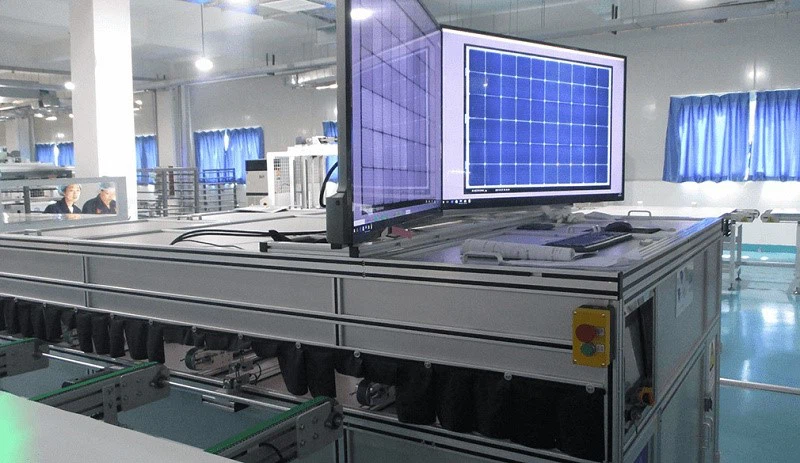
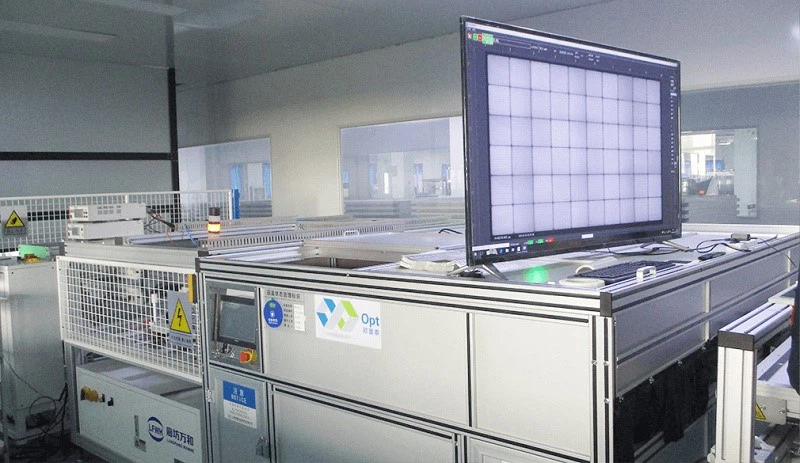
Our Factory
Our factory is equipped with advanced production lines and cutting-edge technology to ensure the production of reliable, efficient solar panels. The production process is strictly monitored to ensure the quality of each product.
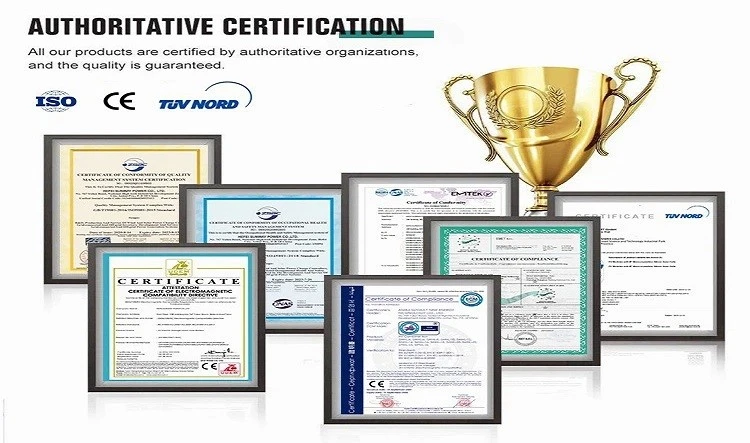
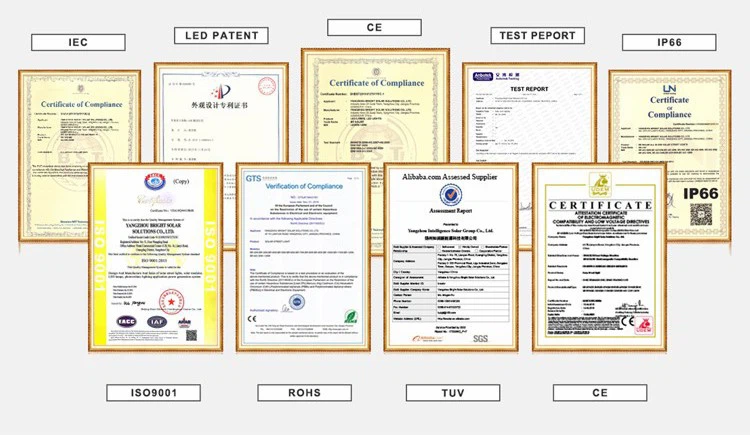
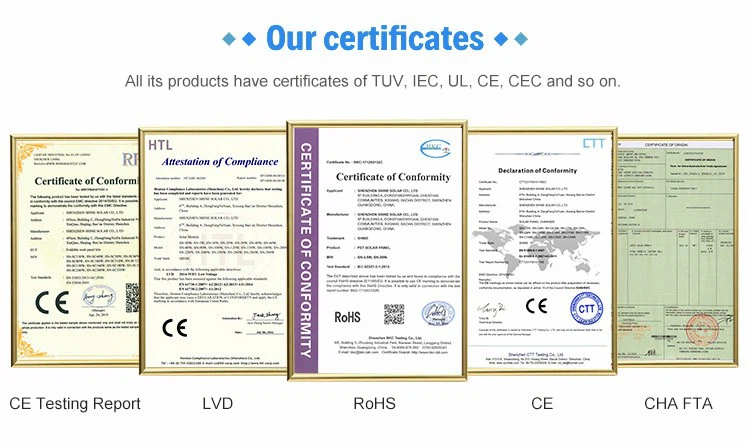
Our Certificate
We have obtained TUV, CE, CQC, CEC, ISO9001 and other certifications, and product quality is guaranteed.
Ultimate FAQ Guide to Inverters
Q: What is the purpose of an inverter?
Q: How does an inverter work at home?
Q: What is the difference between a generator and an inverter?
Q: How long will a 12V battery last with an inverter?
Q: How long will the TV run on inverter?
Q: Can an inverter destroy a battery?
Q: If an inverter is not connected to any load, will it drain the battery?
Q: Does an inverter need wifi?
Q: What not to do with an inverter?
Q: Does an inverter use power if nothing is plugged in?
Q: Why does inverter battery drain so fast?
Q: Can you run an inverter 24 hours a day?
Q: How long does an inverter take to fully charge?
Q: Are inverters a fire risk?
Q: How big of an inverter do I need to run a house?
Q: How do I know when my inverter is charged?
Q: Do inverters get hot?
Q: Where should the inverter be placed?
Q: How do I connect an inverter to my house?
Q: How do I know if my inverter battery is low?
Q: How to choose the inverter correctly?
Q: Can I connect more than one inverter to a power source?
As one of the most professional inverter suppliers in China, we're featured by quality products and competitive price. Please rest assured to buy discount inverter from our factory.
Mono Modules Solar, 10 Kw On Grid Solar Inverter, Half Cell Solar Module