



Your Professional Lead Acid Battery Supplier
Edobo is a professional company dedicated to manufacturing state-of-the-art photovoltaic (PV) panel production line equipment.
Our diverse product range, including solar panels, solar power generation systems, inverters, and batteries, is highly sought-after for its quality, efficiency, and reliability.


Why Choose us
Production Experience
With over 20 years of expertise in manufacturing high-quality solar modules, we have established a strong reputation for reliability and innovation in the industry.
Quality Control
Equipped with state-of-the-art production lines and cutting-edge technology, our factory ensures the production of highly reliable and efficient solar panels. Every stage of the production process is rigorously monitored to maintain the highest standards of quality control.
Customized Service
Our sales team possesses in-depth knowledge of the global market and excels in designing customized solutions tailored to meet the specific requirements of each customer.
Parameter
|
Rated Voltage: |
12V |
|
Rated Capacity: |
200 Ah(10 hr, 1.80 V/cell, 25 ℃) |
|
Approximate Weight(Kg,±3%): |
55.8 kg |
|
Terminal: |
Copper M8 |
|
Maximum Charge Current: |
50.0 A |
Benefits of Lead Acid Battery
Affordability
One of the advantages of lead-acid batteries is their low cost. They are more affordable than other battery types, such as lithium-ion or nickel-metal hydride, making them a preferred choice for budget-conscious consumers and industries.
High power output
Lead-acid batteries deliver high power output, making them ideal for applications that need a sudden surge of energy. Lead-acid batteries can handle the task effectively, whether starting an engine or providing backup power during outages.
Durability and reliability
Lead-acid batteries are robust and reliable, capable of withstanding extreme temperatures and harsh environments. They are known for their long service life and can provide consistent performance even under challenging conditions.
Applications of Lead Acid Battery
Automotive (Starting Batteries): Lead-acid batteries are extensively used in the automotive industry, primarily as starting batteries. They provide the necessary surge of power to start the engine and are designed to deliver high current for a short duration. Additionally, they power essential electrical components in vehicles, such as lights, infotainment systems, and air conditioning when the engine is off.
Renewable Energy Storage (Solar and Wind Systems): In renewable energy, lead-acid batteries are pivotal for storing energy generated from solar panels and wind turbines. They are particularly valued in off-grid solar systems for their ability to store excess energy during peak production times, which can then be used during periods without sunlight or wind.
Backup Power (UPS Systems): Uninterruptible Power Supply (UPS) systems commonly use lead-acid batteries to provide emergency power during outages. These batteries ensure the continuous operation of critical equipment in settings like data centers, hospitals, and telecommunications facilities, safeguarding against data loss and operational disruptions.
Telecommunications: Lead-acid batteries serve as a reliable backup power source in telecommunications infrastructure. They ensure the uninterrupted operation of communication networks, especially in areas with unstable power supply, by providing consistent power to cell towers and other communication equipment.
Marine Applications: In the marine sector, lead-acid batteries are essential for powering a vessel's electrical systems, including navigation, lighting, and communication devices. They are designed to withstand harsh marine environments and are often used as a reliable source of backup power for critical onboard systems.
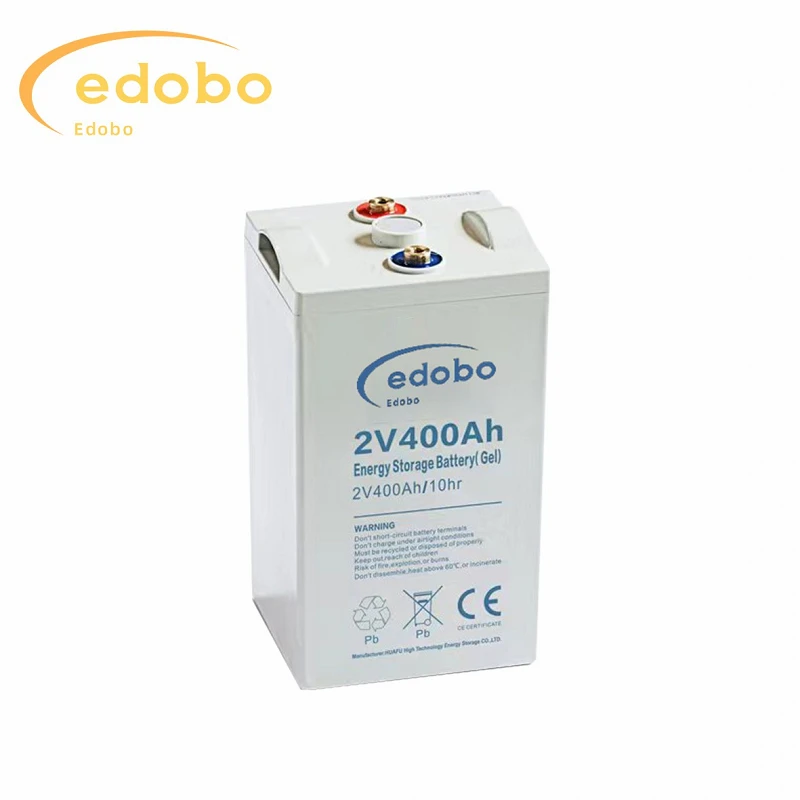
As sulphuric acid is used as an electrolyte in the battery, when it gets dissolved, the molecules in it are dispersed as SO4– (negative ions) and 2H+ (positive ions) and these will have free movement. When these electrodes are dipped in the solutions and provide a DC supply, then the positive ions will have a movement and move towards the direction of the negative edge of the battery. In the same way, the negative ions will have a movement and move towards the direction of the positive edge of the battery.
Every hydrogen and sulfate ions collect one and two-electron and negative ions from the cathode and anode and they have a reaction with water. This forms hydrogen and sulphuric acid. Whereas the developed from the above reactions react with lead oxide and forms lead peroxide. This means at the time of the charging process; the lead cathode element stays as lead itself whereas the lead anode is formed as lead peroxide which is dark brown in color.
When there is no DC supply and then at the time when a voltmeter is connected in between the electrodes, it displays the potential difference between electrodes. When there is a connection of wire between the electrodes, there will be the passage of current from the negative to the positive plate via an external circuit which signifies that the cell holds the ability to provide an electric form of energy.
The lead–acid battery consists of two electrodes submerged in an electrolyte of sulfuric acid. The positive electrode is made of grains of metallic lead oxide, while the negative electrode is attached to a grid of metallic lead. Lead–acid batteries are classified into two types: flooded and valve-regulated.
Shipping and Payment Terms
|
Terms Of Payment |
We usually accept T/T, L/C, Paypal, Credit card, etc. If you prefer other payments terms, please feel free to discuss with us. |
|
Shipping |
We offer various shipping methods, including sea freight and express delivery, depending on the order size and destination. |
Certificate


As one of the most professional lead acid battery suppliers in China, we're featured by quality products and competitive price. Please rest assured to buy discount lead acid battery from our factory.
Gel Battery Solar System, Home Battery for Solar System, Good Battery for Solar System