



Your Professional Lithium Battery Supplier
Edobo is a professional company dedicated to manufacturing state-of-the-art photovoltaic (PV) panel production line equipment.
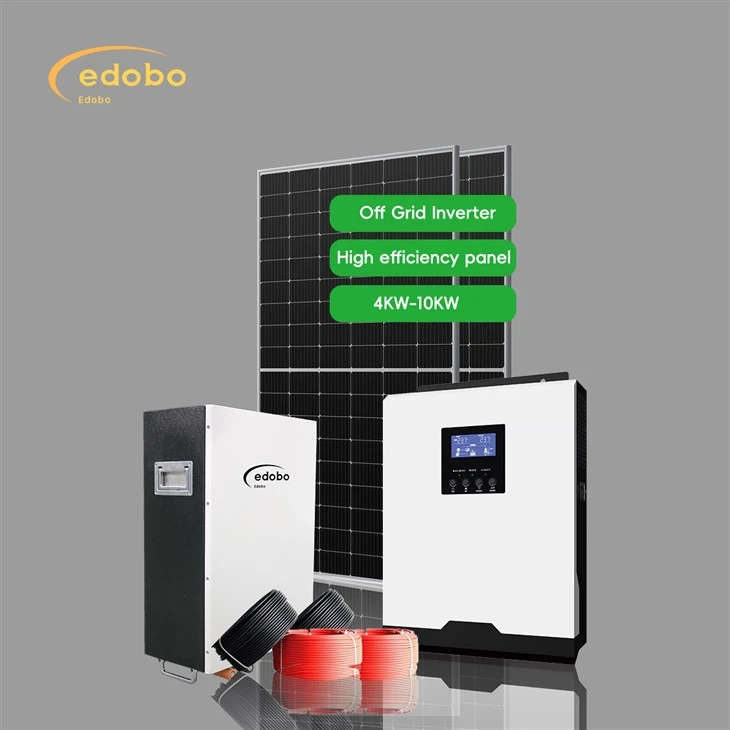
Our diverse product range, including solar panels, solar power generation systems, inverters, and batteries, is highly sought-after for its quality, efficiency, and reliability.
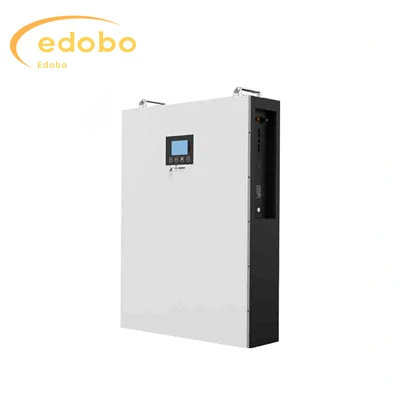
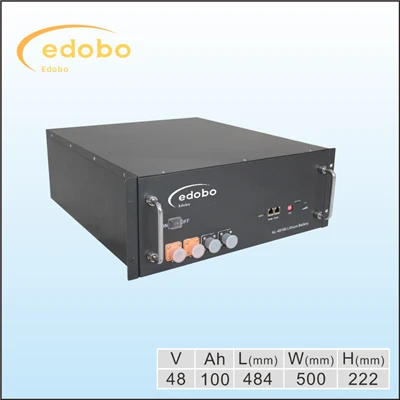

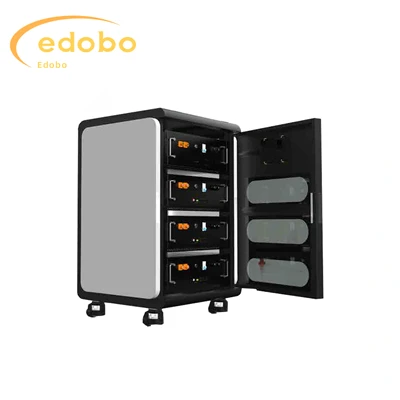


Why Choose us
Production Experience
With over 20 years of expertise in manufacturing high-quality solar modules, we have established a strong reputation for reliability and innovation in the industry.
Quality Control
Equipped with state-of-the-art production lines and cutting-edge technology, our factory ensures the production of highly reliable and efficient solar panels. Every stage of the production process is rigorously monitored to maintain the highest standards of quality control.
Customized Service
Our sales team possesses in-depth knowledge of the global market and excels in designing customized solutions tailored to meet the specific requirements of each customer.
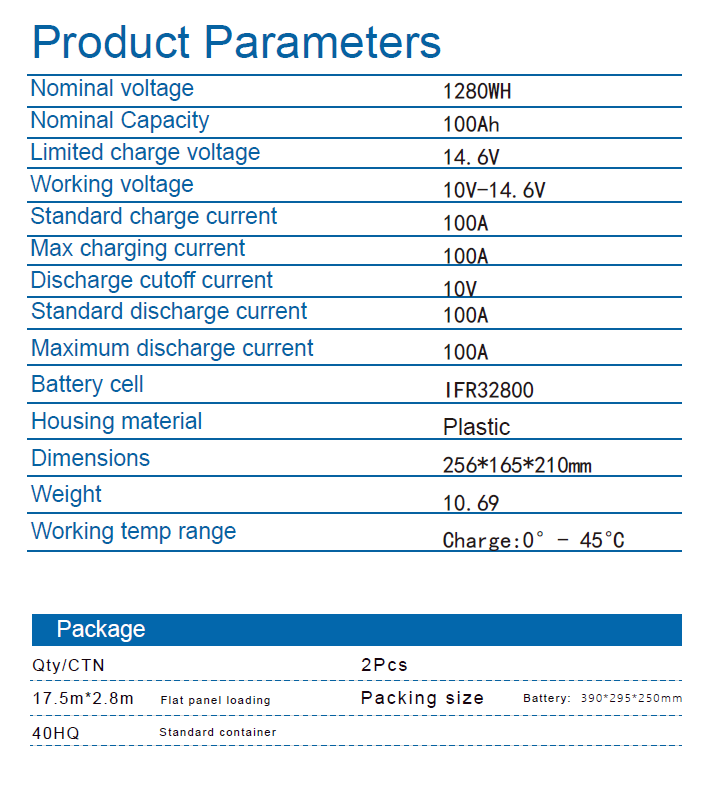
Parameter
Benefits of Lithium Battery
Long Lifespan: Lithium batteries have a significantly longer lifespan than traditional lead-acid batteries. The extended lifespan results in long-term cost savings, as fewer replacements are needed over time.
Fast Recharge: Lithium batteries can be charged at a much faster rate than traditional lead-acid batteries. This is especially significant in everyday applications, where downtime can be costly. Faster charging times ensure a minimal loss of time and increase the overall efficiency of energy storage systems.
Lightweight and Portable: Lithium batteries are lightweight and can be designed in a compact and portable form factor, making them a perfect choice for mobile applications such as RVs and boats.
Low Maintenance: Lithium batteries require little to no maintenance compared to traditional lead-acid batteries, making them an excellent choice for applications where it is difficult to access the battery regularly.
RVs: Require energy to power multiple appliances, such as refrigerators, air conditioners, and entertainment systems. Lithium batteries ensure a steady supply of energy, allowing you to enjoy your road trip without worrying about power outages. Additionally, they are cost-efficient, as less money is spent on frequent battery replacements.
Boats: Require a reliable source of energy for propulsion, and for running onboard amenities such as lighting, water pumps, and communication devices. Lithium batteries ensure an uninterrupted power supply, providing a safe and dependable source of energy on board.
Safety Measures for Lithium Battery
Storage
Store batteries away from combustible materials.
Remove batteries from the device for long-term storage.
Store the batteries at temperatures between 5°C and 20°C (41°F and 68°F).
Separate fresh and depleted batteries (or keep a log).
If practical, store batteries in a metal storage cabinet.
Chargers and charging
To charge batteries safely, use chargers or charging methods designed for battery packs at the specified parameters.
Remove the battery pack from its charger promptly after charging is complete. Do not use the charger as a storage location.
Charge and store batteries in a fire-retardant container such as a high quality Lipo Sack when practical.
Do not overcharge (greater than 4.2V for most batteries) or over-discharge (below 3V) batteries.
Handling and use
Handle batteries and/or battery-powered devices cautiously to not damage the battery casing or connections.
Keep batteries from contacting conductive materials (e.g., water, seawater, strong oxidizers and strong acids).
Do not place batteries in direct sunlight, on hot surfaces, or in hot locations.
Inspect batteries for signs of damage before use. Never use damaged or puffy batteries; promptly dispose of them.
Disposal
Dispose of damaged batteries and those that no longer hold a substantial charge. To check the general condition, charge them and let them rest for an hour, then measure the voltage. If the voltage measures close to 4.2V, the cells are in good condition.
Dispose of used batteries:
Less than 5 five pounds: Deposit them in an e.Media bin.
More then 5 pounds: Submit a Chemical Waste Collection Request.
Shipping
- We offer various shipping methods, including sea freight, air freight, and express delivery, depending on the order size and destination.
- Shipping costs will be calculated based on the destination and weight of the package.
- Customers will receive a tracking number once the package has been shipped, so they can track the status of their delivery.
- We strive to ship all orders within 2 business days of receiving the payment.
- In case of any delays or issues with shipping, our customer service team will promptly communicate with the customer to resolve the problem.
- With our careful packaging and efficient shipping methods, you can trust that your products will arrive in perfect condition and on time.
Certificate


As one of the most professional lithium battery suppliers in China, we're featured by quality products and competitive price. Please rest assured to buy discount lithium battery from our factory.
Lifepo4 200a, Lithium Battery, Lifepo4 51 2v 100ah