



Founded in the early 2000s, Edobo has over 20 years of experience in producing high-quality solar components. The company started out as a small workshop, specializing in the production of photovoltaic cells and solar panels. Since then, it has grown to become one of the leading solar component manufacturers in the region. Edobo's success is attributed to its commitment to excellence, continuous innovation, and a focus on customer satisfaction. We invest a significant amount of resources in the research and development of solar components.
Our Advantages
Advanced Production Line
Our company has expanded its manufacturing facilities to include state-of-the-art production lines and advanced manufacturing technology. This allows Edobo to increase production capacity while maintaining high-quality standards.
Rich Experience
Edobo is a solar module manufacturing company with more than 20 years of experience and has established a state-of-the-art modern factory. The factory covers an area of 60,000 square meters and can achieve large-scale production.
Strict Quality Control
Our factory is equipped with advanced production lines and cutting-edge technology, and the production process is strictly monitored to ensure the quality of each panel.
Broad Sales Market
Our company has achieved impressive sales in the global market, and its products are exported to more than 100 countries and regions around the world. Quality solar panels, solar power systems, inverters, and batteries are highly sought after.


Half-cut solar cell technology boosts the energy production of solar panels by lowering cell size, allowing more cells to fit on the panel. The panel is then divided in half so that the top runs independently of the bottom, generating more energy even if one part is shaded.
Traditional solar panels generate multiple losses and low CTM power. However, the mono PERC half cut panels are an improvement to the older technology. Therefore, they produce greater CTM power, higher tolerance, and are more crack-resistant. In the same way, they have lesser losses and resistance to the current.
Half cut solar panels decrease electrical losses by 75% and boost CTM power by 3.6% in comparison to standard solar modules. Furthermore, the operating temperature reduces since the current per cell is less. As a result, it decreases hot spots by 20ºC, providing extra durability and reliability. The number of cells is quite apparent in both. If the full cell solar module has 60 cells, then the half cut solar panel will have 120 cells.
The main advantage of halved mono PERC solar panels is higher power output. Compared to full solar cells, they provide 2 – 4% more power. A half-cut solar panel’s primary drawback is its slightly higher price and reduced luxurious look. Considering the price, it’s not significantly elevated and will probably provide you with a faster return on investment. Looking at the aesthetics, you won’t notice the half-cut cells in a black solar panel. So, it’s really not a problem worth considering.

Advantages of Half Cells Solar Panel
Lower Resistive Losses
Resistance is the characteristic of any material to oppose the flow of current. Plastic and rubber are extremely stubborn at resisting power flow, while metals usually allow it. However, even the best electrical conductors will have some resistance in them. ‘What does this have to do with half cell panels?’, you may ask. The answer lies in a simple formula - P(loss)=I²R
Here, Ploss is the power loss, R is the resistance, and I is the current flow. The higher the current flow, the higher the losses (notice that the I is squared so it is not a linear increase - a little increase in current leads to a large increase in losses). By cutting solar cells in half, the voltage remains the same (great news!), while the current is slashed into half - meaning the power loss goes down by a factor of 4. Ultimately, this gives us what everyone in the solar power world is always desiring - more efficient panels!
More Tolerance to Shading
As we discussed earlier, partial shading means all the cells in a panel slow down. When cells are cut into half, we essentially have 120 or 144 small cells instead of 60 or 72. These are then split into two series batches of 60 or 72 each and connected in parallel. This type of wiring means that even if one batch is affected by shading, the other batch keeps generating power.
Less Hot Spots and Thermal Damage
In a full cell panel, when a single cell in a cell string is shaded, all the neighbouring unshaded cells can dump the energy they produce into the first shaded cell as heat. This creates a hotspot, which, given enough time, can severely damage the solar panel. In a half cell panel, twice the cell strings means only half the heat. In other words, there are more cells to dump the heat into, and it will be dumped in a more dispersed manner.
PERC Technology
The solar cells in half cell panels are usually manufactured using an innovative technology known as ‘Passivated Emitter and Rear Contact’ (PERC). These cells have an additional layer on the back of traditional solar cells. This layer helps capture more sunlight and turn it into electricity. PERC modules have on average about 5% more efficiency compared to traditional modules.
Application of Half Cells Solar Panel
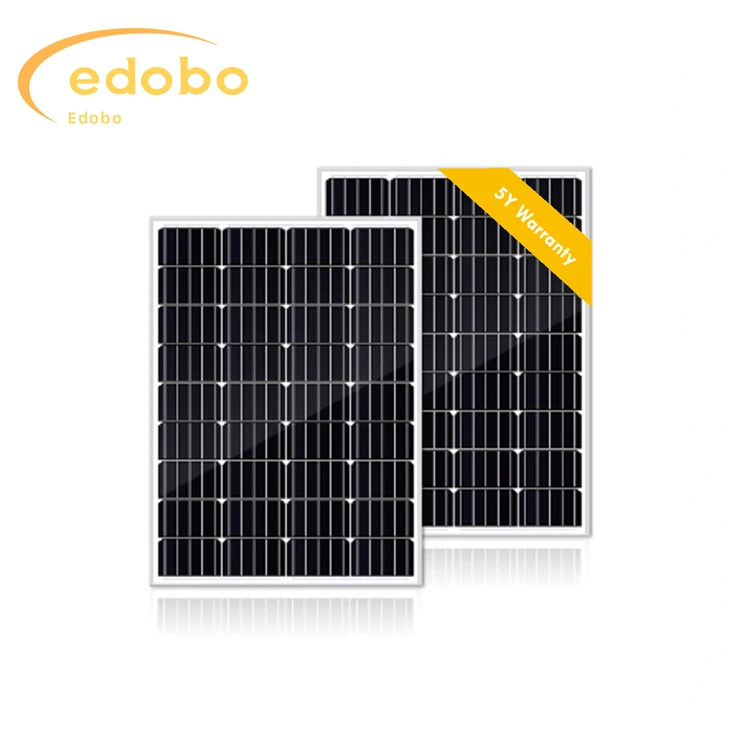
Residential Rooftop Installations
Half Cells Solar Panels are well suited for residential rooftop installations due to their enhanced efficiency and improved shading tolerance. Homeowners can benefit from higher energy production in limited roof space, leading to potential cost savings.
Commercial and Industrial Buildings
Half Cells Solar Panels are commonly used in commercial and industrial settings where space constraints exist. Their higher efficiency and better performance in partial shading conditions make them ideal for generating more electricity in commercial applications.

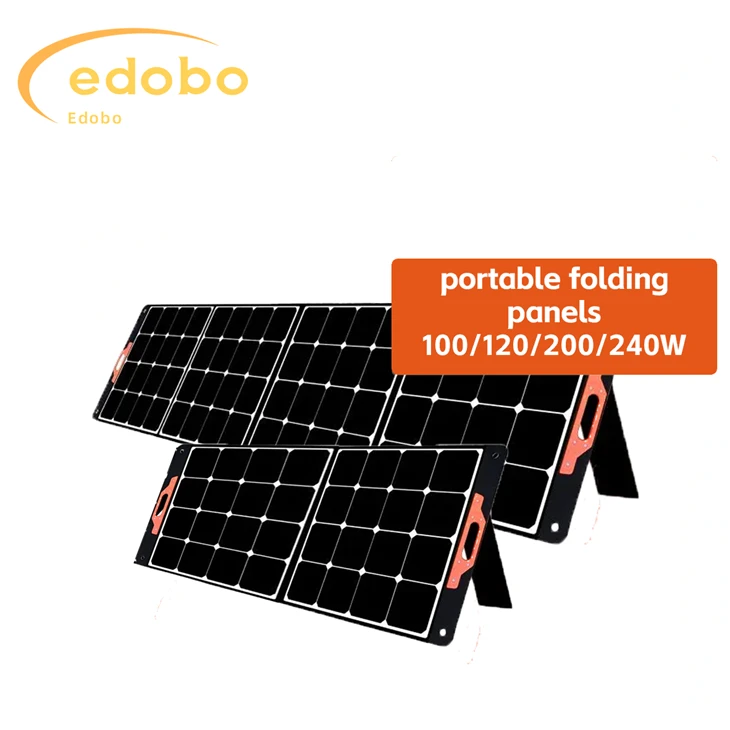
Utility-Scale Solar Projects
Half Cells Solar Panels are increasingly employed in utility-scale solar projects where maximizing energy production is crucial. Their improved efficiency and lower operating temperatures contribute to the overall performance and output of large solar installations.
Off-Grid and Remote Installations
Half Cells Solar Panels are suitable for off-grid and remote installations, such as in rural areas, cabins, or telecommunications towers. Their higher efficiency helps in generating more power from limited sunlight, providing reliable electricity in decentralized settings.

Working Principle of Half Cells Solar Panel
Half-cut solar cell technology increases the energy output of solar panels by reducing the size of the cells, so more can fit on the panel. The panel is then split in half so the top operates independently of the bottom, which means more energy is created - even if one half is shaded.
That’s the general overview - below, we break the process down.
Traditional monocrystalline solar panels usually have 60 to 72 solar cells, so when those cells are cut in half, the number of cells increases. Half-cut panels have 120 to 144 cells and are usually made with PERC technology, which offers higher module efficiency.
The cells are cut in half, very delicately, with a laser. By cutting these cells in half, the current within the cells is also halved, which essentially means that resistive losses from traveling energy via current are reduced, which, in turn, equals better performance.
Since the solar cells are cut in half, and are thereby reduced in size, they have more cells on the panel than traditional panels do. The panel itself is then split in half so that the top and bottom portions operate as two separate panels - generating energy even if one half is shaded.
The key to half-cut cell design is a different method of “series wiring” for the panel, or the way the solar cells are wired together and pass electricity through a bypass diode within a panel. The bypass diode, indicated by the red line in the images below, carries the electricity that the cells generate to the junction box.
In a traditional panel, when one cell is shaded or faulty and does not process energy, the entire row that is within the series wiring will stop producing power.
Maintenance Tips for Half Cells Solar Panel
Schedule Regular Cleaning
To keep solar panels in good condition, you must clean them at least twice a year: one at the end of fall and another at the start of winter. If they're installed in an area with a high dust, pollen, or dirt concentration, it's recommended to clean them more often, for example every three months.
Choose the Right Time
The maintenance and cleaning of solar panels must be carried out during the early hours of the morning, when the panels are fresher. Cleaning them when they are still warm or exposed to direct sunlight may be counterproductive, as the combination of heat and cold water can generate thermal stresses and damage the equipment. Avoid when windy, rainy, or snowy.
Gently Clean
If you haven't detected any problems, you can start with the cleaning. Make sure you remove any kind of dirt, dust, or debris that may affect the performance of the solar panels.
Carry out a Visual Inspection
Before starting, carry out a visual inspection of the solar panels to identify possible damages such as cracks, breaks, or loose connections. If you detect any problems, contact a professional to carry out the necessary checks and repairs.
Dry the Panels
You can let the solar panels air-dry, or you can use soft cloths. The most important thing is that no water residue remains that may affect the efficiency of the panels.
Monitoring
For proper maintenance, record the date you clean the solar panels, and schedule the next one. This will allow you to properly monitor and maintain the installation in optimal conditions.
Factors to Consider When Choosing a Solar Panel
Understanding the Types of Solar Panels
There are three main types of photovoltaic panels: monocrystalline, polycrystalline, and thin film. Each panel has pros and cons regarding efficiency, cost, and form factor.
● Monocrystalline panels consist of a single silicon crystal structure. They have a dark, sleek appearance and boast the highest efficiency of the three panel types. They’re more expensive than polycrystalline panels, but they’ll produce more power in less space.
● Polycrystalline panels consist of multiple silicon crystal structures. They have a speckled blue appearance. They’re less efficient than monocrystalline panels but are usually cheaper as well.
● Thin-film panels are lightweight and flexible, allowing them to adhere to curved and irregular surfaces. They’re the least efficient, but their unique construction makes them suitable for maximizing available surface area.
Evaluating Solar Panel Efficiency
The conversion efficiency measures how effectively a panel converts sunlight into electricity. Higher efficiency requires less surface area for energy production, making it particularly valuable when space is limited. Factors that impact efficiency include temperature, shading, and orientation. Solar panels will perform better at lower temperatures and when angled towards the sun. Any partial shading across a panel — such as from overhanging tree branches — can drastically reduce the power output. Proper ventilation, minimizing shading, and optimizing tilt angles can enhance conversion efficiency, ensuring optimal performance and return on investment.
Determining the Size of Your Home Solar System
To determine the size of your home solar system, you first need to calculate your daily energy usage. Divide your electricity bill’s total kWh energy usage by the number of days it covers to find your daily energy usage. Alternatively, suppose you’re primarily using your solar power system for backup power or to reduce your electricity bills by powering selected appliances.
Calculating Solar Panel Costs for Your Roof
A complete residential array will come with upfront costs in the thousands. However, the return on investment (ROI) usually exceeds these initial costs. You determined how many PV panels your home might require in the previous step. The panels are the highest cost in a solar system — if you need fifteen 400-watt panels, you may be looking at a price of around $15,000. Factors that impact the cost include construction quality, power rating, conversion efficiency, and type. However, the savings you experience will pay you back over the system’s lifetime, usually around 25 to 30 years. Here is a simple ROI calculation:
Comparing the Price of Different House Solar Panel Systems
There are a few different payment schemes for purchasing solar panel systems, each with its pros and cons:
● Cash Purchase: Paying cash upfront will provide the most significant long-term savings. You’ll own the system from the get-go, and you can avoid interest payments. Purchasing a PV system outright will also give you access to rebates, tax credits, and other incentives that leasing can’t offer.
● Financing: As with other large purchases, financing your system can be enticing. A loan lets you pay for your system over several months or years, lowering your upfront costs. However, the interest on the loan will reduce the savings you could experience with a cash purchase.
● Leasing: Some companies allow you to lease a solar system. They own and maintain the system, but you enjoy immediate savings on your electric bill. Leasing a system will have few upfront costs, but you won’t be eligible for tax credits and other incentives. Your long-term savings will also be lower than with cash purchases or financing.
Understanding the Quality of Different Roof Solar Panels
The quality of solar panels is usually measured by their efficiency. Manufacturers determine PV efficiency by testing the photovoltaics in Standard Testing Conditions, which specify a room temperature of 25° Celsius (77°F) and 1000W/m2 irradiance. Monocrystalline panels have efficiency ratings above 20%, while polycrystalline panels are around 15%. Even with the cost savings of polycrystalline panels, the higher efficiency of monocrystalline panels makes them worth it over the long term.
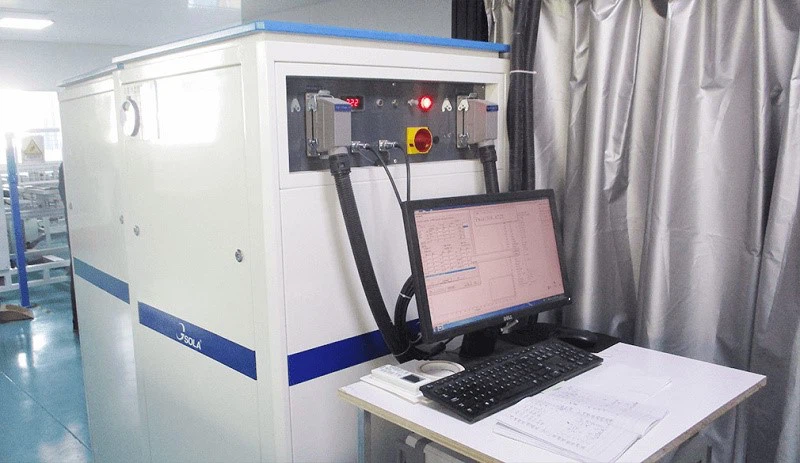
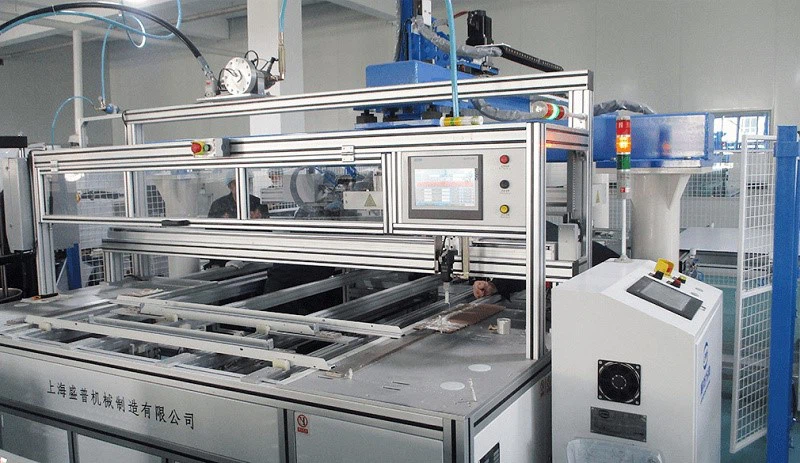
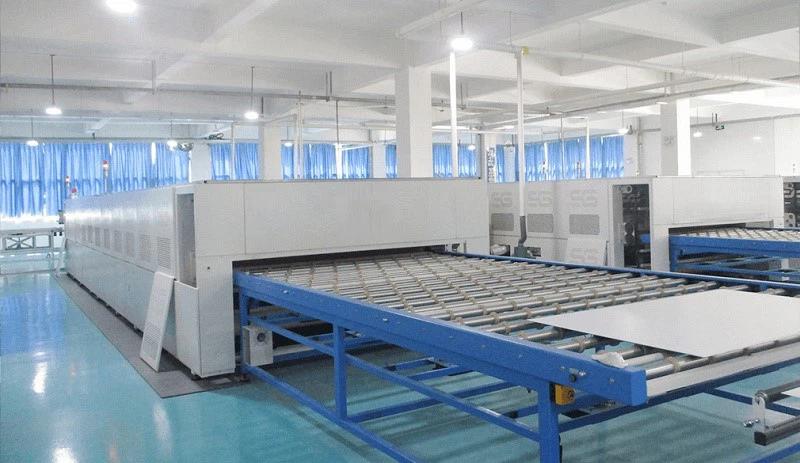
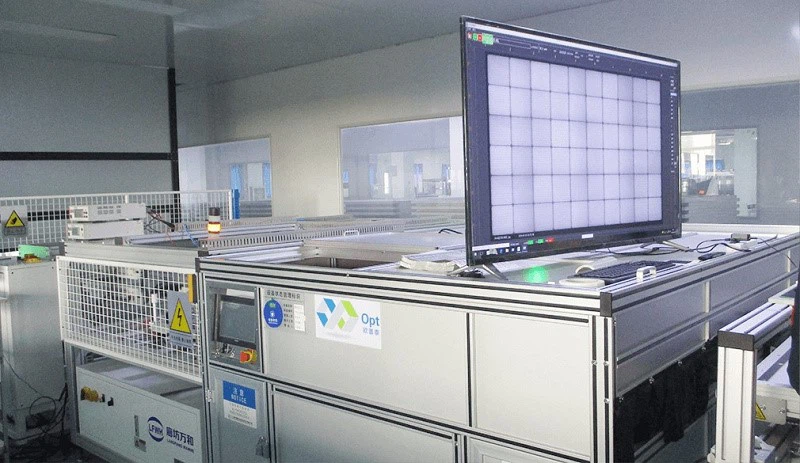
Our Factory
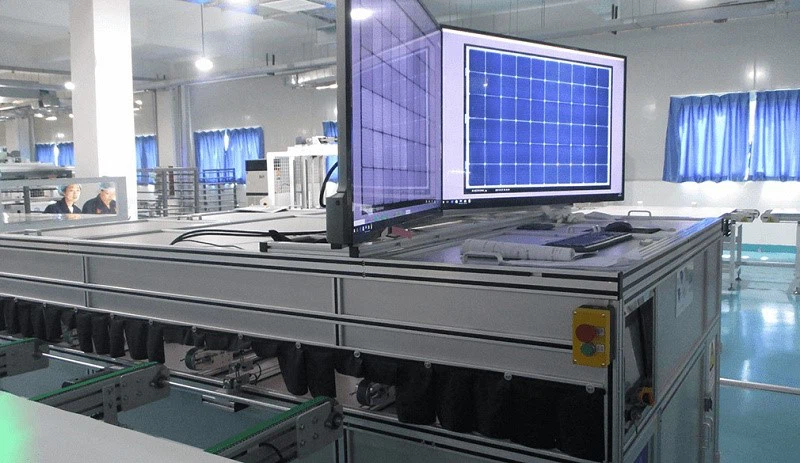
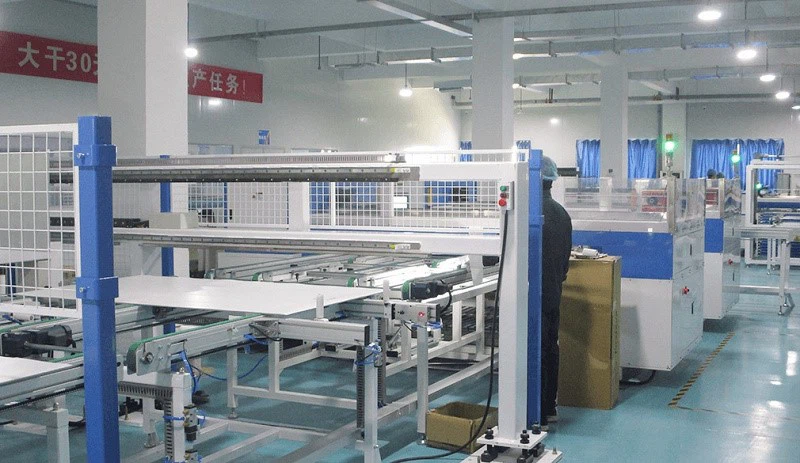
Our factory is equipped with advanced production lines and cutting-edge technology to ensure the production of reliable, efficient solar panels. The production process is strictly monitored to ensure the quality of each product.
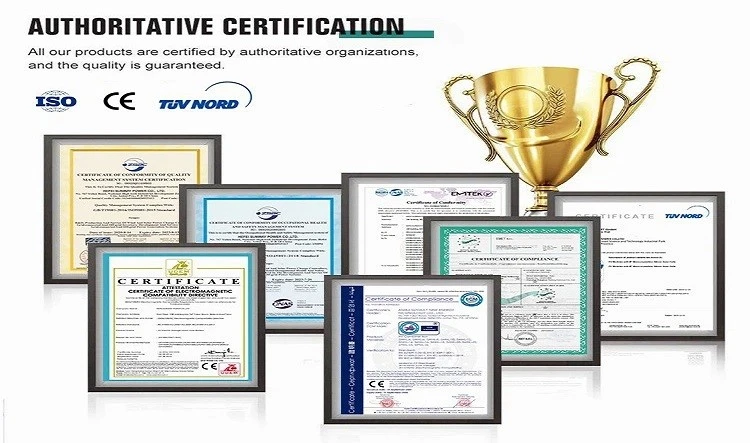
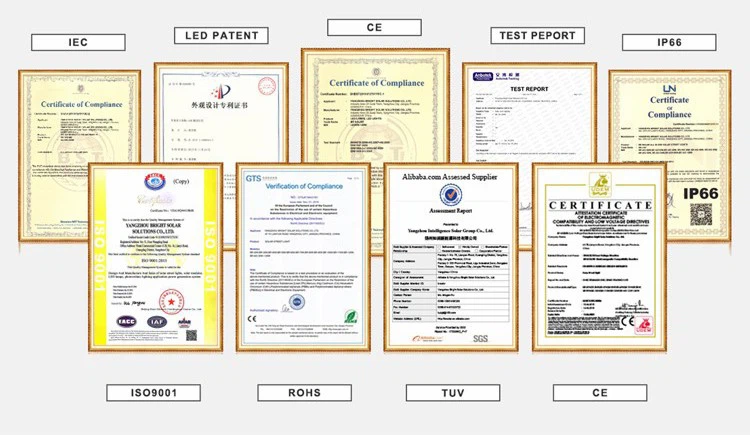
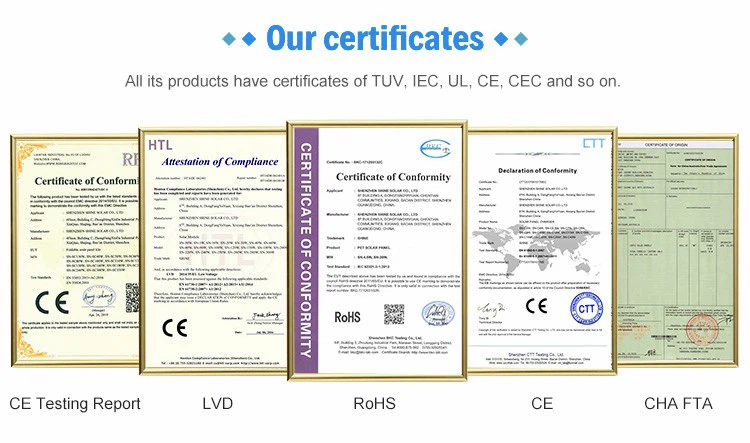
Our Certificate
We have obtained TUV, CE, CQC, CEC, ISO9001 and other certifications, and product quality is guaranteed.
Ultimate FAQ Guide to Half Cells Solar Panel
Q: Are split cell solar panels better?
Q: What is the advantage of half-cell solar panels?
Q: How efficient are half-cell solar panels?
Q: What are the Solar module characteristics?
In conventional solar cells, the electrical current transport causes some power loss during the conversion of sunlight to electricity. Resistive losses are minimized due to the lower current flowing through the solar module.
Improved Low-Light Performance
Shade and low-light conditions have no impact on half-cut cell photovoltaic solar modules, compared to traditional solar panels. The main reason is a minor variation in the wiring system of half-cell solar modules. Half-cut solar cells are connected in sequence, much like normal solar cells. They have doubled cells and cell rows. However, if a single row of the module shades is, the solar panel loses less power since only a sixth of the total module energy production is affected.
Durability
In addition to having a higher energy output, half-cell modules are more reliable due to their long-life performance. They are less sensitive to micro-cracks thanks to their compact design. With these advantages, property owners who select half-cell modules could see a faster return on investment. They are a far more realistic choice in areas where space is restricted, and shade or low light conditions are an issue.
Q: What are the advantages of half-cell PV panel technology?
Q: Are half-cut panels the future of solar?
Q: What is a mono PERC half cut solar panel?
Q: How do half-cut solar cells improve panel performance?
Resistive losses, or power lost during electrical current transit, are one form of power loss when solar cells convert sunlight into electricity. The tiny metal ribbons that traverse the surface of solar cells and connect them to nearby wires and cells transmit current, and transferring current via these ribbons results in some energy loss. Cutting solar cells in half reduces the current generated by each cell, and lesser current flowing results in fewer resistive losses when energy passes through cells and wires in a solar panel.
Higher Shade Tolerance:
Half-cut cells are more resistant to shading than regular solar cells. This is due to the wiring procedures used to link half-cut cells in a panel, rather than the cells being sliced in half. Traditional solar panels with complete cells are linked together in rows, which is known as series wiring. If one cell in a row is shaded and not producing energy, the entire row of cells will cease to produce electricity. Shade on one cell of one row would remove one-third of the power produced by a standard panel, which normally has three different rows of cells linked together. Half-cut cells are likewise wired in series, but because panels built with half-cut cells have twice as many cells (120 instead of 60), there are twice as many independent rows of cells. Because a single shaded cell may only reduce a sixth of the total panel power output, panels made with half-cut cells lose less power when a single cell is shaded.
Q: Are half-cut solar panels worth your investment?
Q: What is a half-cut solar cell?
Q: What is the difference between half cells and full cells solar panel?
Q: Is a half cells solar panel more efficient than a full cells solar panel?
Q: Can Half Cells Solar Panels be integrated with energy storage systems?
Q: Are half cell solar panels good?
Q: Can I use a half cells solar panel for residential installations?
Q: Do solar cells need to be cleaned?
Q: How much maintenance does a half cells solar panel require?
Q: What happens if a half cells solar panel gets damaged?
Q: Do Half Cells Solar Panels work well in off-grid locations?
Q: What is the wind limit for solar panels?
As one of the most professional half cells solar panel suppliers in China, we're featured by quality products and competitive price. Please rest assured to buy discount half cells solar panel from our factory.
Solar Power Solar Panels, Mono Half Cut Panels, Half Cell Solar Module