



Founded in the early 2000s, Edobo has over 20 years of experience in producing high-quality solar components. The company started out as a small workshop, specializing in the production of photovoltaic cells and solar panels. Since then, it has grown to become one of the leading solar component manufacturers in the region. Edobo's success is attributed to its commitment to excellence, continuous innovation, and a focus on customer satisfaction. We invest a significant amount of resources in the research and development of solar components.
Our Advantages
Advanced Production Line
Our company has expanded its manufacturing facilities to include state-of-the-art production lines and advanced manufacturing technology. This allows Edobo to increase production capacity while maintaining high-quality standards.
Rich Experience
Edobo is a solar module manufacturing company with more than 20 years of experience and has established a state-of-the-art modern factory. The factory covers an area of 60,000 square meters and can achieve large-scale production.
Strict Quality Control
Our factory is equipped with advanced production lines and cutting-edge technology, and the production process is strictly monitored to ensure the quality of each panel.
Broad Sales Market
Our company has achieved impressive sales in the global market, and its products are exported to more than 100 countries and regions around the world. Quality solar panels, solar power systems, inverters, and batteries are highly sought after.
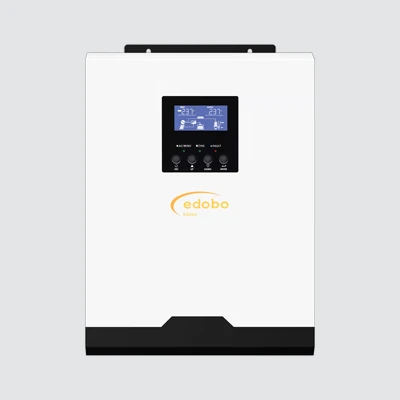
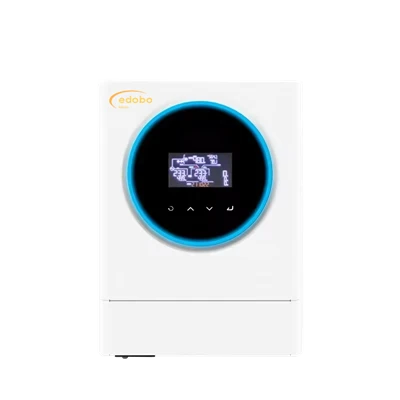


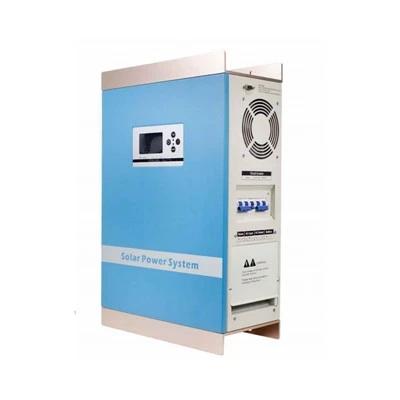
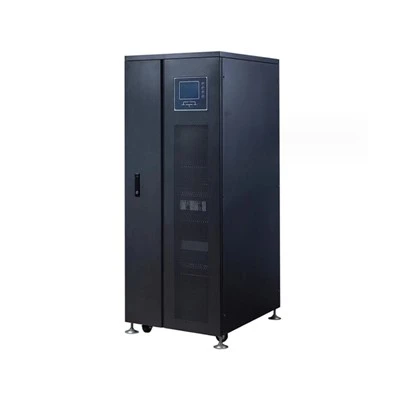
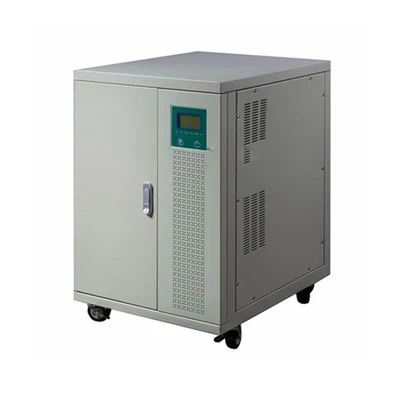
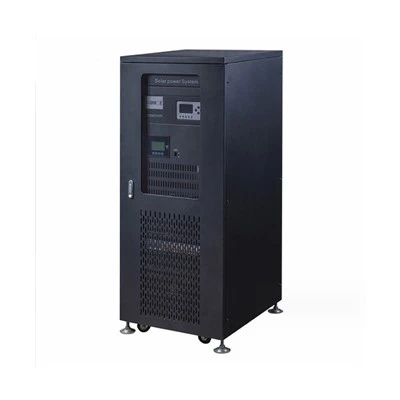
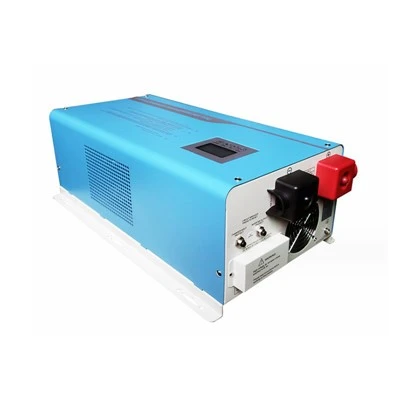
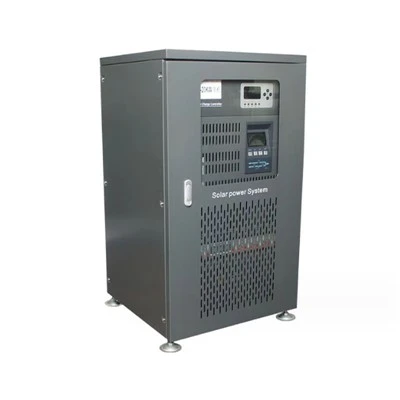
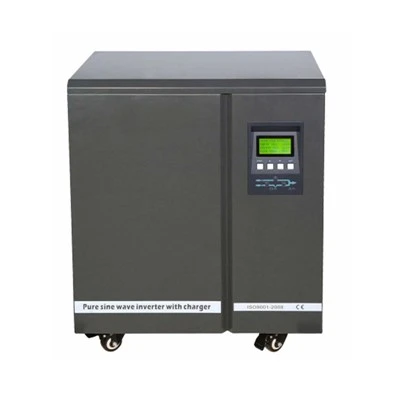
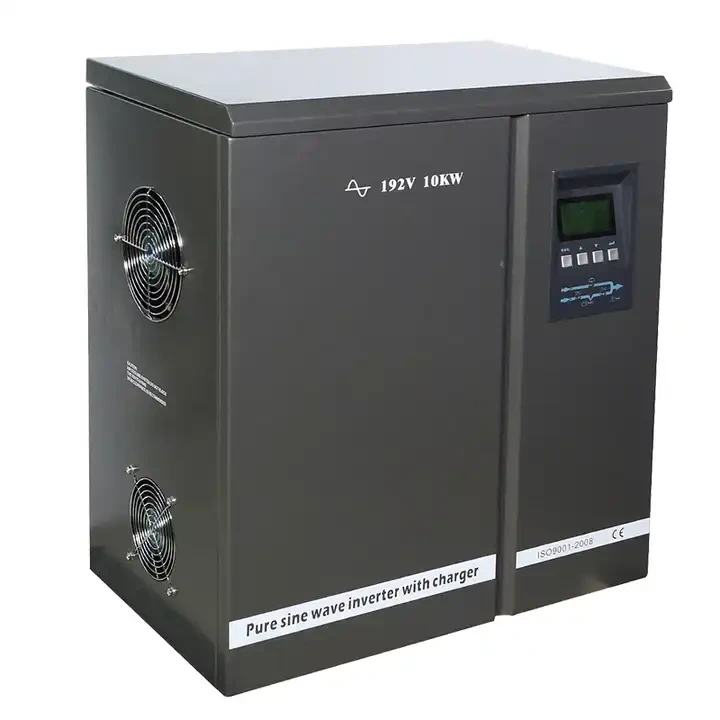
Off-grid inverters are designed to work alone and cannot synchronise with the grid. They connect to the property in place of grid power and cannot work in conjunction with it. Off grid inverters must supply power from DC to AC instantly to power the appliances.
Grid-Tied vs. Off-Grid Inverter
Off-Grid Inverters
Off-grid inverters are designed to work alone and cannot synchronise with the grid. They connect to the property in place of grid power and cannot work in conjunction with it. Off grid inverters must supply power from DC to AC instantly to power the appliances. It must react quickly and up to and over the capacity rating of the inverter. It draws power from the battery, converts it from DC and outputs AC. In a hybrid system, you can run an off-grid inverter to generate the grid, then use a grid-tied inverter to run most or all the power. This is a scenario we use in off-grid design when the solar must be located over 20m from the battery store or the power demand is large in the daytime when the sun is out. This is the most efficient way to use the power.
Grid-Tied Inverters
Grid-tied inverters are designed to connect to your home to supplement mains power. When there is solar energy to use, the system will deliver it to your property. When there is insufficient energy to deliver, the system will switch back to grid power. Grid-tied inverters work with mains to provide energy wherever possible. They have the processing intelligence to know when to deliver power and when to not deliver it and will synchronise power delivery with grid power. An on-grid inverter converts solar power DC which is constantly varying and feeds it into the mains power supply. It synchronises its output voltage and frequency to the mains power supply it is connected to. As the power of the solar increases, so does the output but it can do this at leisure. There is no forced power demand or instant requirement, it simply puts power though as and when it can.
Advantages of Off Grid Inverter
Independent Power Generation
Off-grid inverters enable buildings to generate power independently of the public grid. In emergencies, off-grid inverters can operate independently to provide a power supply, which is particularly useful for those in remote or unstable power supply areas, medical facilities, emergency services, and critical infrastructure. In addition, off-grid inverters can also be used in mobile homes, such as campervans or boats, enabling them to be supplied with electricity without a grid connection.Off grid solar inverter
Energy Independence
Solar systems using off-grid inverters can increase energy independence. This means that a home or business can reduce its dependence on fossil fuels, thereby lowering energy costs and reducing carbon emissions. Off-grid inverters enable users to supply power independently of the main grid. This is particularly important for those living in remote areas or where the main grid is unstable. Off-grid inverters also provide backup power for emergencies.
Environmentally Friendly
Off-grid inverters are used in conjunction with solar panels, which are a clean source of energy. Off-grid inverters do not produce noise or emit pollutants, which allows the off-grid inverters to be widely used in urban and sensitive environments as well, helping to improve the quality of the environment. As a result, off-grid inverters help reduce the need for fossil fuels, lowering greenhouse gas emissions and helping to combat the problem of climate change.
Renewable Energy Storage
Some off-grid inverters have an energy storage feature that allows them to store excess solar power in a battery. This allows solar systems to continue to supply power at night or on cloudy days, increasing the availability of renewable energy. Off-grid inverters work perfectly with solar photovoltaic and wind power systems to convert renewable energy into usable electricity. This helps to reduce dependence on fossil fuels, reduces greenhouse gas emissions, and contributes to environmental protection.
Saving on Electricity Bills
Off-grid inverters allow building owners to generate their electricity. Off-grid inverters allow for efficient energy conversion and minimize energy waste. Off-grid inverters often feature sleep mode and automatic shutdown to further reduce energy consumption. Off-grid inverters are typically designed for long-lasting use and are highly reliable. Off-grid inverters are precision-engineered and tested to ensure stable operation under various environmental conditions. As a result, people can reduce or even eliminate expenses associated with electricity bills from the public grid. In addition, some regions offer government incentive programs to reward homes and businesses for using solar energy systems.
Increase Property Value
Properties with solar systems and off-grid inverters are often more attractive than those without them, as off-grid inverters can reduce energy costs for future occupants. Off-grid inverters have a wide range of output voltage and frequency settings to meet a variety of power needs, including domestic, agricultural, commercial, and industrial applications. Off-grid inverters typically have lower maintenance costs compared to conventional power generation systems. They have no mechanical moving parts and therefore require less maintenance, which reduces operating costs. This can increase the value of the property and make it more competitive in the marketplace.
Application of Off Grid Inverter
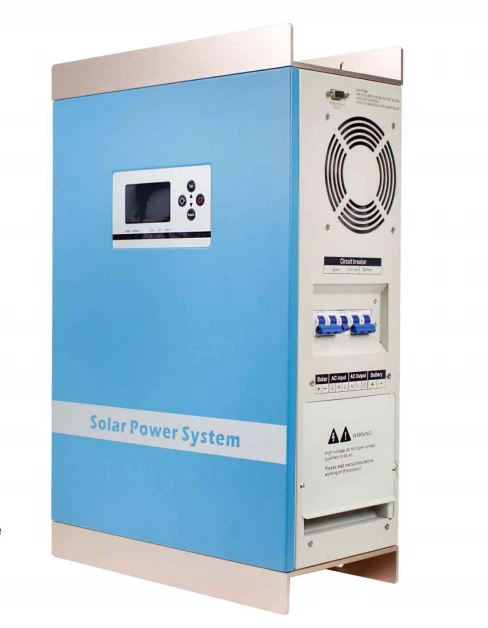
Home Solar Systems
Commercial Use
Rural and Remote Areas
Disaster Recovery
Working Principle of Off Grid Inverter
DC Energy Harvesting
Solar panels convert sunlight into DC energy through the photovoltaic effect. This DC energy has a variable voltage and current, depending on the characteristics of the solar panel and the light intensity.
DC Energy Input
First, the solar panels deliver the generated DC energy to the input of the off-grid inverter. This process usually involves the use of a technique called maximum power point tracking (MPPT) to ensure maximum electrical output from the solar panels.
Inverter Conversion
Once the DC power enters the off-grid inverter, the main task of the inverter is to convert this DC power into standard AC power. This is accomplished through a series of electronic components and switches, the most important of which are the inverter's power semiconductor switches, such as metal-oxide-semiconductor field-effect transistors or silicon carbide transistors.
AC Power Output
The output of an off-grid inverter is converted AC electrical energy, and the voltage, frequency, and waveform of the off-grid inverter are usually matched to the standards of the local grid. This allows the off-grid inverter output to be connected directly to the home electrical system for use by electrical devices.
Power Management
Off-grid inverters also typically include power management features to monitor and optimize the performance of the solar system. This includes tracking the output of the solar panels, managing the energy storage system (e.g., batteries), and flowing excess power back to or from the grid to meet household needs.
Installation of Off Grid Inverter
Get the Right Inverter for Your Solar Energy System
To start, choosing the right solar inverter is crucial. There are two basic inverters for solar energy systems, string inverters and microinverters. String inverters include one central inverter unit, with the solar panels “strung” together, all connecting back to the inverter. As the name suggests, a microinverter is a small inverter unit installed behind individual solar panels. Essentially, you have separate power-generating units, which allows for future expansion and continuous power even if one of the units breaks down. There are many battery backup options available for grid-tie systems. If you want to install energy storage with your solar panel system, you need to ensure that the inverter you choose is compatible with the battery system you want.
Purchase Supporting Equipment to Meet Rapid Shutdown Codes
If you are installing a different solar inverter brand, you will need to purchase a rapid shutdown device for each PV panel, and those devices must be compatible with the solar inverter.
Read the Instructions
Installing an inverter isn’t the same as using a standard power drill. A solar power inverter is a much more complicated piece of equipment, and installation instructions can vary significantly depending on the brand or model. Read all the instructions before starting any work, and don’t cut any corners.
Location, Location, Location
One of the most critical factors for a string inverter installation is the location you choose. Identifying the proper location will require some planning, but this will make the whole installation process more manageable. First, check which sides of the inverter have DC power connections and AC power connections. Then, plan the inverter location accordingly. Failure to think this through can result in a lot of tricky conduit work. Also, be sure that you don’t install your solar inverter in direct sunlight. This can shorten its lifespan and may cause some system downtime if the inverter overheats. Finally, make sure you take note of the required clearances in the installation manual, so your inverter gets proper airflow for optimum performance.
Lift with Your Legs
Microinverters only weigh a few pounds each. But if you’re installing a string inverter system, be prepared to lift some weight. These inverters don’t look heavy but can weigh between 25 to 65 pounds (or even more). Ask a friend for help if needed, and don’t try to hang it too high on the wall. Also, keep this weight in mind when installing the hanging bracket. Make sure you mount the brackets to studs in the wall and not just the stucco or siding.
Safety First
When it comes to inverter installation, you must understand electrical safety wiring basics for your solar energy system. Make sure that all the circuits are open (off) when making the connections inside the inverter. PV panels produce DC power even in very low light, so it is best to make the DC connections in the inverter with the dead wires before you make the connection from those wires to the solar panels. Also, make sure your AC circuit breaker or AC disconnect is off, so you aren’t getting any AC power from the main service panel while working.
Get Help from an Electrician
It’s okay to ask for professional help during your DIY installation. If you do not have experience working with electrical wiring, you should reach out to an electrician for guidance. The safest option is having an electrician run the wires or make the final connections.
Maintenance Tips for Off Grid Inverter
Regular Visual Inspection
Start with a visual inspection of your solar inverter. Look for any signs of physical damage, loose wires, or unusual wear and tear. Ensure that the inverter is clean and free from debris. Dust and dirt can accumulate over time and affect its performance. Clean it gently with a soft brush or cloth if necessary.
Monitoring Software
Many modern solar inverters come with monitoring software that allows you to track your system’s performance remotely. Regularly check this software to ensure your system is producing the expected amount of electricity. Any significant deviations could indicate a problem with your inverter.
Keep It Cool
Solar inverters can generate heat during operation. Ensure that the inverter has proper ventilation to dissipate this heat effectively. Avoid installing it in direct sunlight or near other heat sources, as excessive heat can reduce its lifespan.
Protect from the Elements
Your inverter should be installed in a sheltered area to protect it from rain, snow, and direct sunlight. Exposure to the elements can cause damage and reduce its efficiency. Regularly check for water ingress and signs of corrosion.
Tighten Connections
Loose electrical connections can lead to inefficiencies and may even cause your inverter to fail. Periodically inspect and tighten all electrical connections, including DC and AC terminals. Be cautious and follow safety guidelines when doing this.
Read the Manual
The manufacturer’s manual is your best friend when it comes to maintaining your solar inverter. It contains specific maintenance instructions and troubleshooting tips tailored to your model. Keep it handy and follow the recommended maintenance schedule.
Professional Inspections
While you can perform some basic maintenance tasks, it’s a good idea to have a professional inspect your solar inverter at least once a year. They can identify potential issues that might not be apparent during your routine checks and ensure your system is safe and efficient.
Check for Software Updates
Inverter manufacturers often release firmware updates to improve performance and address potential issues. Check for updates regularly and install them as recommended by the manufacturer. Keeping your inverter’s software up-to-date can enhance its longevity and efficiency.
Plan for Replacement
Solar inverters typically have a lifespan of 10 to 15 years. As your inverter nears the end of its lifespan, consider planning for its replacement to avoid any sudden system failures. Upgrading to a newer, more efficient model may also increase the overall performance of your solar power system.
Factors to Consider When Choosing an Off Grid Inverter
Determine Your Power Requirements
Start by calculating your power consumption needs. List all the electrical appliances and devices you plan to run, along with their power ratings (in watts or kilowatts) and estimated daily usage.
Select Inverter Type
Decide whether you need a pure sine wave inverter or a modified sine wave inverter. Pure sine wave inverters are more suitable for sensitive electronics and appliances, while modified sine wave inverters are more affordable but may not be compatible with all devices.
Inverter Capacity (Wattage)
Choose an inverter with a capacity that can comfortably handle your peak power demands. Ensure it has enough wattage to start high-power devices (like refrigerators or power tools).
Input Voltage and Voltage Range
Determine the DC input voltage of your renewable energy source (e.g., solar panels or wind turbines). Ensure that the inverter's input voltage range matches the voltage your system generates.
Battery Voltage Compatibility
Match the inverter's DC input voltage to your battery bank's voltage. Common battery voltages for off-grid systems are 12V, 24V, or 48V.
Efficiency and Standby Power Consumption
Check the inverter's efficiency rating. Higher efficiency means less energy loss during the conversion process. Also, consider the inverter's standby power consumption, as this can affect long-term battery life.
Surge Capacity
Look for an inverter with a surge capacity that can handle the momentary high-power demands when starting certain appliances (e.g., refrigerators, well pumps). Surge capacity is typically higher than the continuous power rating.
Battery Charger and AC Pass-Through
If you plan to charge your battery bank with a generator or grid power, consider an inverter with a built-in battery charger. Some inverters also offer AC pass-through, allowing you to switch between inverter power and grid power seamlessly.
Monitoring and Communication Features
Consider inverters with monitoring capabilities that provide real-time data on system performance. Some inverters offer communication options like Wi-Fi or Ethernet for remote monitoring and control.
Warranty and Reliability
Research the manufacturer's reputation and warranty terms. A reliable inverter with a good warranty can provide peace of mind and long-term support.
Our Factory
Our factory is equipped with advanced production lines and cutting-edge technology to ensure the production of reliable, efficient solar panels. The production process is strictly monitored to ensure the quality of each product.


Products Description
We have obtained TUV, CE, CQC, CEC, ISO9001 and other certifications, and product quality is guaranteed.


Ultimate FAQ Guide to Off Grid Inverter
Q: What is the difference between on grid and off-grid inverters?
Q: Which is better hybrid or off-grid inverter?
Q: Can an off-grid inverter be used as a backup power source?
Q: What size inverter do I need for an off-grid house?
Q: How long do off-grid inverters last?
Q: What type of inverter is most efficient?
Q: Do I need an inverter charger or just an inverter?
Q: What happens if you connect too many solar panels to an inverter?
Q: How many appliances can a 2000 watt inverter run?
Q: Why do inverters go bad?
Q: What is the difference between an off-grid inverter and a backup inverter?
Q: Should an inverter be plugged in all the time?
Q: How long of an extension cord can I use with an inverter?
Q: Why do I need 2 solar inverters?
Q: What wears out on an inverter?
Q: What is an off-grid inverter?
Q: What happens when the solar inverter goes bad?
Q: How does an off grid inverter work?
Case I - During the daytime: Whatever power isn’t being consumed keeps charging the battery.
Case II - During nighttime: The battery will feed to loads, and power flow is reversed. It means the current now flows from the battery to the inverter. It keeps the power supply on at nighttime.
Q: What are the important features of an off grid solar inverter?
LCD
It helps homeowners understand the functions of their inverter, such as real-time power generation analysis, power consumption details, reason for inverter issues, and battery charging status.
Mobile App
It allows you to access all the LCD details on your mobile phone. You can have your off-grid inverter monitored and serviced online via a mobile app and Wi-Fi functionality.
Bypass Switch
A bypass switch enables electricity use even if the inverter turns faulty.
Q: What steps should I take to maintain the efficiency of an off grid solar inverter?
As one of the most professional off grid inverter suppliers in China, we're featured by quality products and competitive price. Please rest assured to buy discount off grid inverter from our factory.
Top 10 Off Grid Solar Inverter, Off Grid Solar Inverter 10kw, 3 Phase Off Grid Solar Inverter