

Sarajevo Canton’s Solar Incentives: Attracting Investment For Renewable Growth
May 09, 2026
Leave a message
FENA (Sarajevo, Bosnia and Herzegovina) – May 6, 2026 – The Sarajevo Canton Assembly adopted landmark Amendments to the Concession Act on May 5, 2026, aiming to eliminate administrative barriers and accelerate photovoltaic (PV) deployment. The reform aligns local legislation with the revised EU Renewable Energy Directive (RED II, Directive (EU) 2023/2413), a key step in Bosnia and Herzegovina's (BiH) alignment with EU green energy policies.
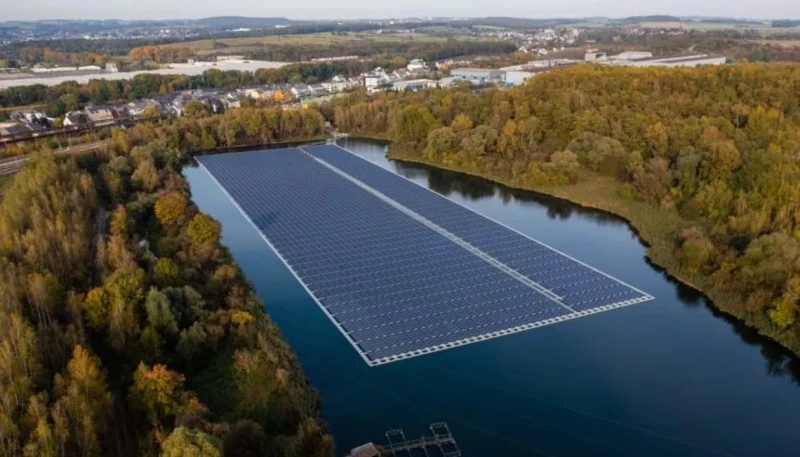
BiH boasts significant solar potential, with annual solar radiation ranging from 1,240 to 1,600 kWh/m² – above the European average – and 1,900 to 2,300 annual sunlight hours in its southern and central regions. IRENA estimates BiH's solar PV potential could reach 3GW by 2030. Expanding solar power is critical to enhancing energy efficiency, grid stability, and national energy independence, reducing reliance on imported fossil fuels amid regional energy security challenges.
The core change of the new law exempts on-site power production for self-consumption from concession requirements: legal entities, prosumers, and communities generating electricity for their own use no longer need to sign concession agreements. This eliminates mandatory concession fees (previously up to 20,000 BAM for large plants) and lengthy permit procedures, particularly benefiting small-to-medium solar systems on private and commercial buildings – a practice modeled after EU member states.
The amendments build on 2025 reforms that abolished solar concession fees for public institutions and state-owned enterprises. Sarajevo Canton Prime Minister Nihad Uk noted the reform aims to "create a favorable environment for energy transition, security, and sustainability" by cutting unnecessary red tape. It also aligns with BiH's 2035 Renewable Energy Strategy, which focuses on scaling renewables while harmonizing with EU climate regulations.
The reform is expected to stimulate new investment in PV technology, reduce administrative burdens for businesses and citizens, and boost renewable energy output. It will also drive job creation in construction, engineering, and maintenance sectors. Additionally, it positions Sarajevo Canton as a regional solar hub, complementing ongoing projects like the 50MW Gračanica coal mine solar plant and the World Bank-funded EPBiH Prosumers 5000+ program, which supports residential rooftop PV installations.
As BiH advances toward EU membership, the regulatory harmonization not only strengthens its green energy credentials but also attracts international investment, laying the groundwork for a more sustainable and independent energy future.