

Thailand Unveils New Incentive Policy To Shield Key Industries From U.S. Tariff Fallout
Jul 15, 2025
Leave a message
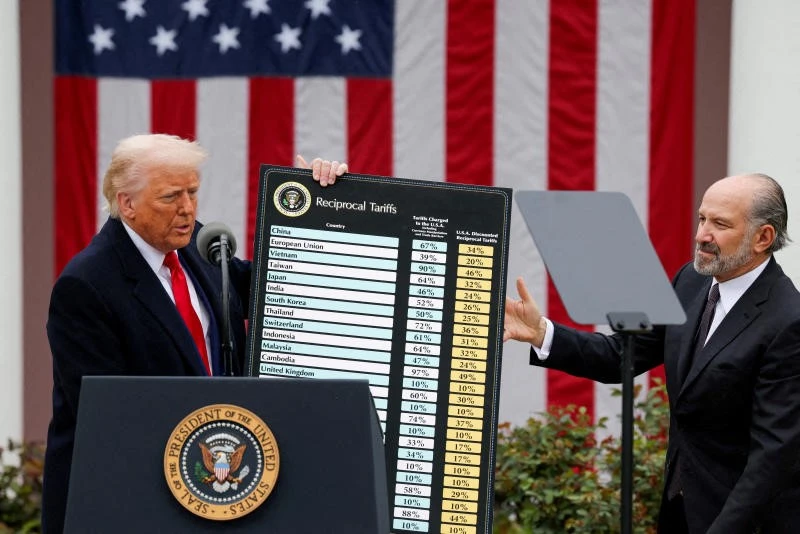
Thailand Launches New Incentive Policy to Shield Industries from U.S. Tariff Impact
According to a July 14 report by the Thai newspaper Minzu, the Thailand Board of Investment (BOI) has introduced a set of preferential policies aimed at supporting the country's electric vehicle (EV) and electronics manufacturing industries. This move is a direct response to the escalating tariff pressures from the United States and is intended to retain key industries within Thailand.
On the same day, BOI Secretary General Narit Therdsteerasukdi officially unveiled the new policy framework, titled "Measures to Enhance the Competitiveness of Thai Enterprises in the New Globalization Era."
The new policy focuses on two core areas: support for small and medium-sized enterprises (SMEs) and the strengthening of domestic supply chains. Several specific measures have been outlined under this plan:
SME Upgrades and Transformation: SMEs that invest in machinery upgrades, automation, digital technologies, energy efficiency, adherence to international sustainability standards, or a shift toward emerging industries will be eligible for enhanced tax incentives.
Support for Local Supply Chains: EV and electronics manufacturers that use Thai-made materials and components will receive additional exemptions from corporate income tax, reinforcing Thailand's domestic industrial base.
Tariff Classification Reforms: For industries potentially affected by U.S. trade measures-such as automotive parts, household appliances, electronics, metal goods, and light industry-Thai customs will adjust product classifications to ensure they meet international recognition and compliance standards.
Suspension of Support for Vulnerable Sectors: Industries deemed vulnerable to oversupply or susceptible to U.S. trade actions, including solar panels, certain automotive components, decorative parts, and low-tech manufacturing sectors, will no longer receive investment promotion privileges.
Oversupply Industry Restrictions: BOI will also suspend support for oversupplied sectors such as hot-rolled steel, thick steel plates, and steel piping. In addition, new land ownership for businesses involved in metal rolling, casting, forging, and chemical or plastic product manufacturing will be restricted-these operations must now be confined to designated industrial zones and subject to more stringent oversight.
Local Hiring Requirements: To safeguard domestic employment, the BOI mandates that companies with over 100 employees must hire at least 70% Thai nationals.
Foreign Expert Salary Thresholds: The BOI will also enforce minimum income levels for foreign professionals applying for visas and work permits. Executive-level personnel must earn at least 150,000 Thai baht per month (approximately USD 4,633), while technical experts must earn a minimum of 50,000 baht per month (around USD 1,544). These measures aim to protect the Thai labor market, encourage skills transfer to local workers, and maintain the attractiveness of Thailand as a destination for high-level foreign talent.
Through these comprehensive steps, Thailand aims to enhance the resilience of its industries, maintain competitiveness amid global trade tensions, and secure long-term economic growth.