

The Future Of Public Lighting: Why Cities Are Switching To Solar Street Lights
Jul 23, 2026
Leave a message
The Future of Public Lighting: Why Cities Are Switching To Solar Street Lights
As cities around the world continue to expand and develop, reliable outdoor lighting has become an essential part of modern infrastructure. Traditional street lighting systems powered by the electrical grid have supported urban development for decades, but rising energy costs, complex installation requirements, and increasing demand for sustainable solutions are driving cities to explore cleaner alternatives.
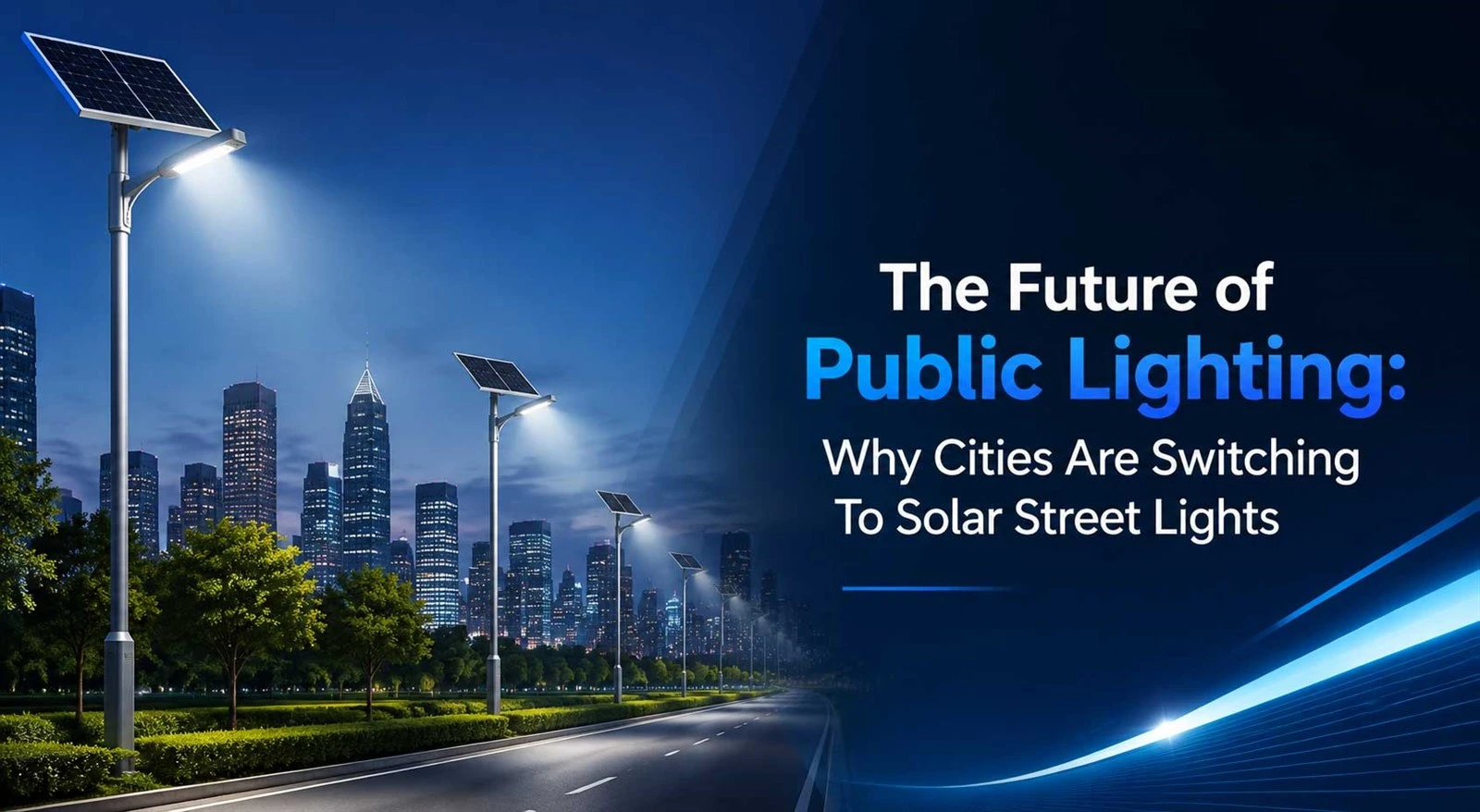
Solar street lights are becoming one of the most promising solutions for the future of public lighting. By using solar energy to power LED lighting systems, they provide efficient, environmentally friendly, and cost-effective illumination for roads, streets, parks, residential areas, and remote locations.
The Challenges of Traditional Street Lighting
Traditional street lights usually depend on grid electricity and require underground cables, power connections, and regular maintenance. For large-scale lighting projects, these requirements can lead to higher installation costs and long-term operational expenses.
In many remote or developing areas, extending grid infrastructure to every location is also difficult and expensive. This creates challenges for communities that need reliable lighting for transportation safety, public security, and daily activities.
As energy prices continue to increase, cities are looking for lighting solutions that can reduce electricity consumption while maintaining reliable performance.
Why Solar Street Lights Are Becoming A Preferred Choice
Solar street lights use photovoltaic panels to convert sunlight into electricity, which is stored in batteries and used to power LED lights at night. This independent energy system eliminates the need for grid connections and helps reduce electricity costs.
Compared with traditional lighting systems, solar street lights offer several important advantages:
1. Lower Energy Costs
Solar street lights use renewable solar energy instead of electricity from the grid. Once installed, they can significantly reduce ongoing energy expenses, making them a practical choice for cities and public projects.
2. Easy Installation And Flexible Applications
Without the need for complicated underground wiring, solar street lights can be installed in a wider range of locations, including highways, rural roads, parking areas, residential communities, and public spaces.
3. Environmentally Friendly Lighting Solution
Powered by clean solar energy, solar street lights help reduce carbon emissions and support global renewable energy goals. They are becoming an important part of sustainable city development.
4. Reliable Lighting For Remote Areas
For areas with limited or unstable electricity supply, solar street lights provide an independent lighting solution. They can improve safety and connectivity in villages, remote roads, and off-grid regions.
The Development Of Smart Solar Street Lighting
With advances in solar technology, modern solar street lights are becoming more efficient and intelligent. Improvements in LED technology, high-efficiency solar panels, and LiFePO4 battery systems have extended lighting performance and service life.
Many new solar lighting systems feature integrated designs that combine the solar panel, battery, LED light source, and controller into one compact unit. This design simplifies installation and reduces maintenance requirements, making it suitable for various commercial and public lighting projects.
Solar Street Lights And The Future Of Smart Cities
As more cities focus on energy efficiency and sustainable development, solar street lights are expected to play a larger role in future public infrastructure.
From urban roads and highways to rural communities and industrial areas, solar lighting solutions provide a practical way to achieve reliable illumination while reducing dependence on traditional energy sources.
The transition to solar-powered public lighting is not only about saving energy but also about creating smarter, greener, and more sustainable cities.
Conclusion
The future of public lighting is moving toward cleaner and more efficient solutions. With advantages such as lower operating costs, easy installation, and renewable energy utilization, solar street lights are becoming an increasingly popular choice for cities worldwide.
As solar technology continues to improve, solar-powered lighting systems will continue to support the development of sustainable infrastructure and contribute to a brighter future.
Explore more solar street light solutions and renewable energy products from Edobo.