

U.S. Senate Advances Trump’s Tax Bill, Threatening Clean Energy Incentives With New Restrictions
Jul 03, 2025
Leave a message
On June 28th local time, the U.S. Senate narrowly passed a procedural vote on President Trump's large-scale tax and spending legislation, clearing the way for further debate. The vote passed by a slim margin of 51 to 49.
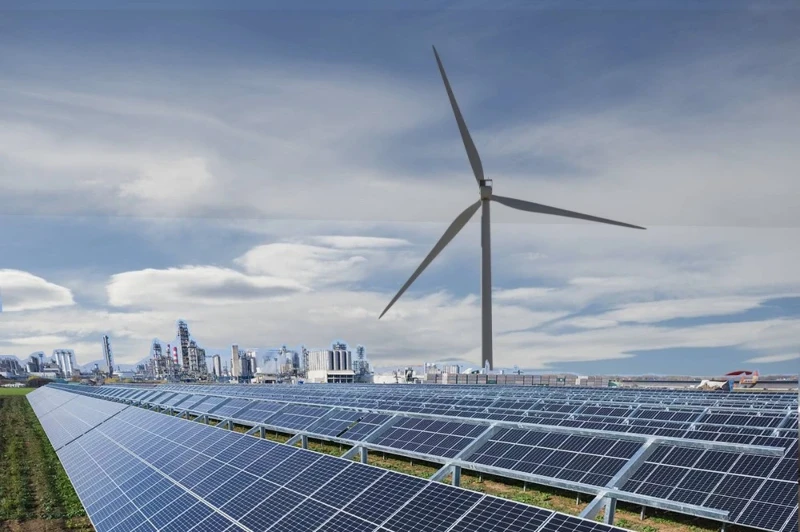
Dubbed "big and beautiful" by Trump, the proposed legislation outlines sweeping changes to the U.S. tax and spending structure. Over the next decade, it aims to cut taxes by $4 trillion, reduce federal spending by $1.5 trillion, and repeal multiple clean energy tax incentives. Affected programs include credits for electric vehicles, wind and solar energy, and clean hydrogen production.
A key focus in the latest version of the so-called "Great Beauty Act," currently under Republican debate in the Senate, are two significant provisions: the introduction of a new consumption tax on wind and solar projects that rely on certain imported components, and a change in the eligibility deadline for federal clean energy tax credits. Under the new bill, projects must be fully operational by the end of 2027 in order to qualify.
This is a major shift from the previous version of the law, which used the "commencement date"-such as starting construction or placing equipment orders-as the benchmark for eligibility. The change drastically narrows the window for developers, as commissioning a project often hinges on grid connection timing, a factor largely outside their control.
Contrary to earlier market expectations that the Senate might provide more flexibility in phasing out subsidies, this revision significantly tightens requirements. Industry players argue that the tougher criteria could make it far more difficult for renewable energy developers to meet qualification standards in time.
As new versions of the bill continue to emerge in Congress, renewable energy advocates are growing increasingly concerned. Industry observers warn that the evolving legislation is casting a darker shadow over the future of America's clean energy ambitions.