

UK Renewables Reach Record High But Gas Rises To Replace Nuclear
Apr 10, 2026
Leave a message
Official data released on April 2 by the UK Department for Energy Security and Net Zero shows that in 2025, electricity generated from renewables including wind and solar reached an all-time high, making up more than half of the country's total power generation. While the UK has made tangible progress in its low-carbon energy transition, the share of fossil fuel generation such as natural gas has increased, presenting real challenges to its long-term decarbonization goals.
The figures confirm that renewable energy accounted for over 50% of Britain's total electricity production in 2025, growing steadily year-on-year. Clean energy sources including offshore wind and solar power expanded significantly, establishing themselves as a major pillar of the UK's electricity supply. This achievement stems from the continuous expansion of renewable energy installed capacity, as the nation's clean energy layout gradually delivers results.
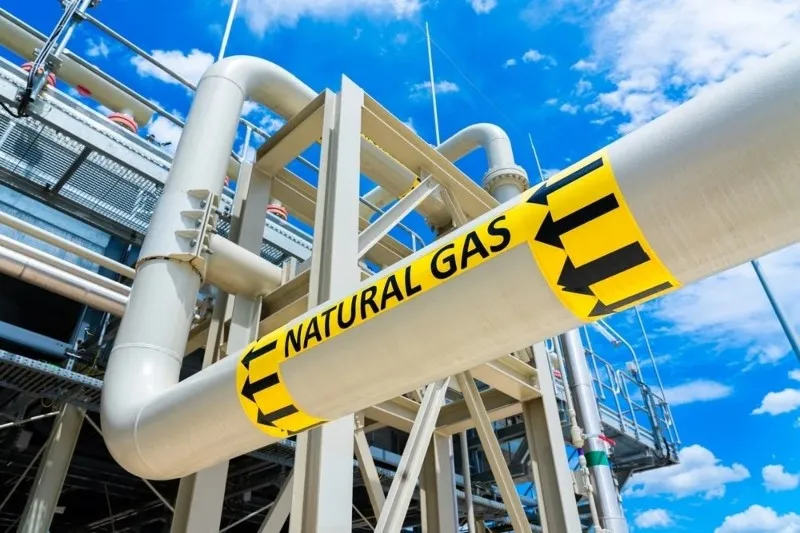
At the same time, nuclear power output dropped sharply due to the decommissioning of old nuclear plants and more frequent outages. As a result, natural gas-fired generation increased and maintained a leading share of the UK's electricity mix, filling the supply gap left by reduced nuclear power.
Notably, 2025 marked the first year in more than 140 years that the UK completely eliminated coal-fired power generation. The phase-out of coal power stands as a landmark milestone in the country's energy transition. In the same year, both national greenhouse gas emissions and power-sector emissions saw a slight decline, reflecting early effects of low-carbon development.
The UK has set a target to largely decarbonize its power sector by 2030. Although renewables are expanding rapidly, fossil fuels continue to serve as a critical backup for energy security. Industry observers point out that accelerating clean energy substitution while balancing supply security and low-carbon transition remains a key challenge for Britain to achieve its power decarbonization objectives.