
Home Solar Power System Project Solution
Description
Technical Parameters


Products Description
A home solar power system project solution typically involves several key components and steps:
1. Assessment and Planning:
Energy Audit: Evaluate your household's energy consumption to determine the appropriate system size.
Roof Analysis: Assess your roof's suitability for solar panels, considering factors like sunlight exposure, angle, and structural integrity.
Site Survey: A professional installer will visit your property to assess the site and gather necessary information for system design.
System Design: Based on the assessment, a customized solar power system design will be created, outlining the number of panels, their placement, and other components.
Permitting: Obtain necessary permits and approvals from local authorities and utility companies.
2. System Components:
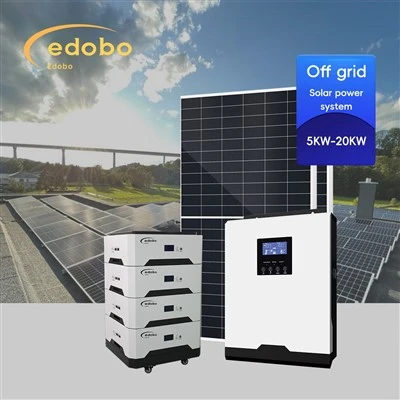
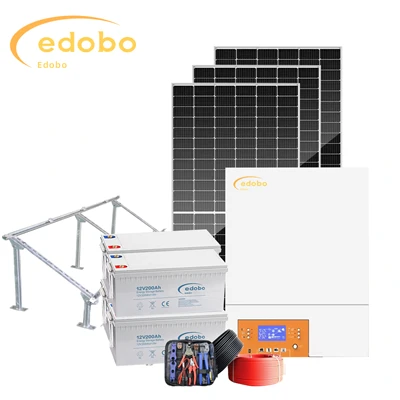
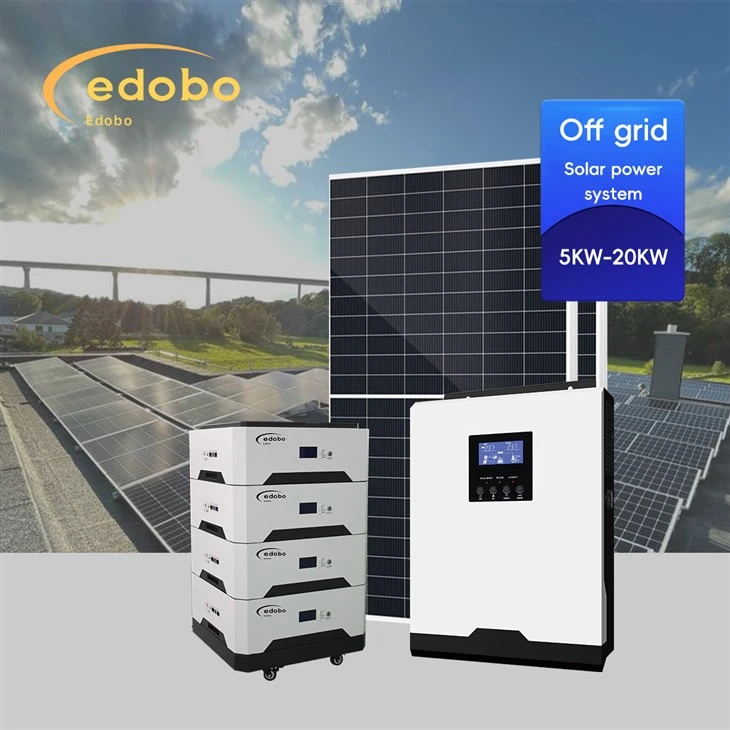
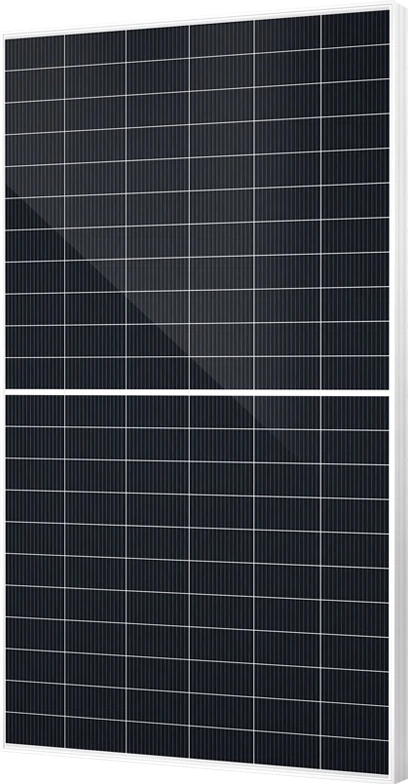
Solar Panels: Photovoltaic (PV) panels convert sunlight into electricity. Different types and efficiencies are available.
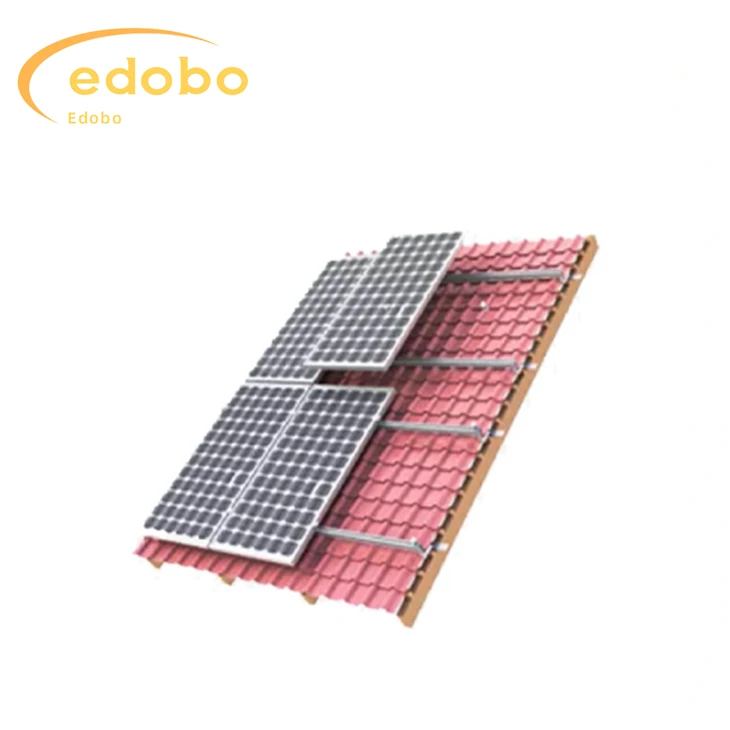
Mounting System: Securely attaches the solar panels to your roof or ground.
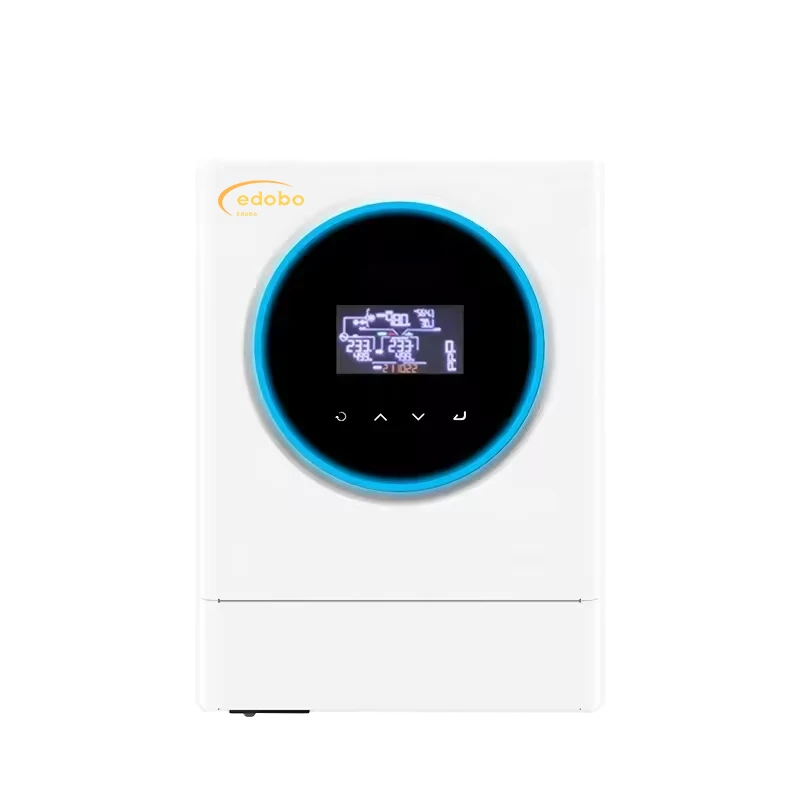
Inverter: Converts the DC electricity generated by the panels into AC electricity usable by your home. Types include string inverters, microinverters, and power optimizers.
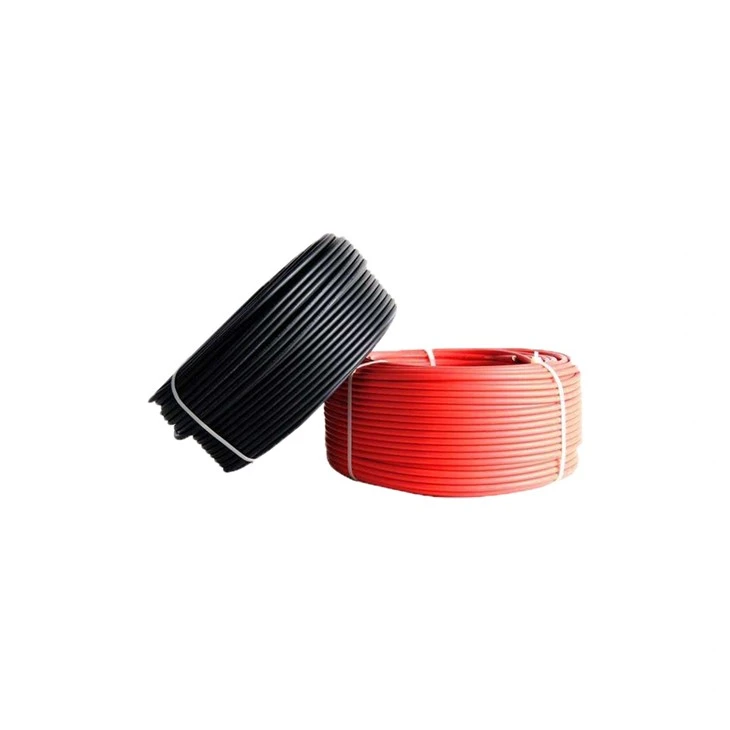
Wiring and Conduit: Connects the panels, inverter, and other components.
Metering: Measures the electricity generated and consumed by your home. A net meter allows you to sell excess power back to the grid.
Battery Storage (Optional): Stores excess energy for use during outages or peak demand times.
3. Installation:
Panel Installation: Panels are mounted on the roof or ground-mounted structure.
Electrical Wiring: Wiring is run from the panels to the inverter and then to your home's electrical panel.
Inverter Installation: The inverter is installed and connected to the wiring.
System Testing: The entire system is tested to ensure proper functionality and safety.
Connection to the Grid (if applicable): The system is connected to the utility grid, allowing for net metering and grid interaction.
4. Monitoring and Maintenance:
Monitoring System: Many systems include online monitoring to track energy production and system performance.
Regular Maintenance: Periodic inspections and cleaning are recommended to ensure optimal performance and longevity. This may include cleaning panels, checking wiring, and inverter maintenance.
5. Financing and Incentives:
Financing Options: Explore various financing options like loans, leases, or Power Purchase Agreements (PPAs).
Incentives: Research available rebates, tax credits, and other incentives offered by local, state, or federal governments.

Experience
Positive review
Order recieved
Projects completed
Payment term:


Hot Tags: home solar power system project solution, China home solar power system project solution suppliers, factory, 100kw On Grid Solar Inverter, The Best Quality Solar Panels, 3 Phase Grid Tie Inverter, On Grid Inverter, House Hold Solar Power System, PV Panel
Send Inquiry