

China Construction Fifth Bureau Completes 500MW Jizak PV Project in Uzbekistan
Feb 03, 2026
Leave a message
The 500MW Jizak Photovoltaic (PV) Project in Uzbekistan, jointly developed by China Construction Fifth Engineering Bureau (CSCEC 5th Bureau), has officially achieved full-capacity grid connection. Nearly one million PV panels now stretch across the Central Asian Gobi Desert, feeding a steady stream of clean electricity into the local grid and powering Uzbekistan's green energy transition.
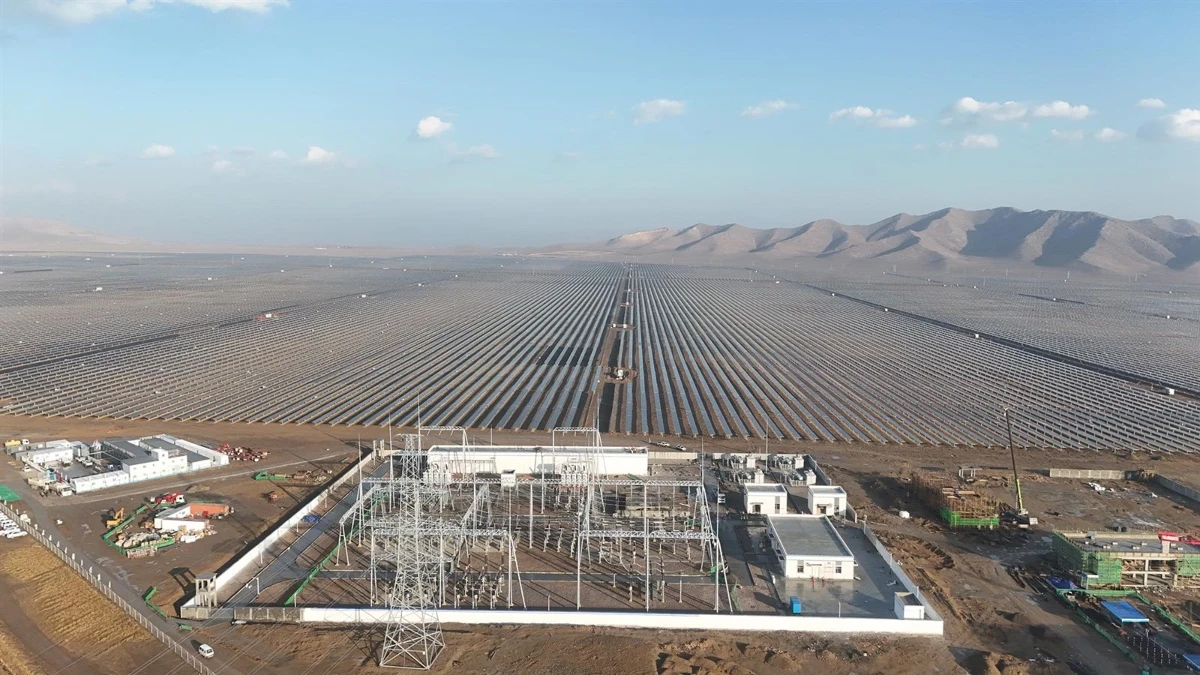
As one of Uzbekistan's largest PV facilities, the Jizak project spans a total area of 10.832 million square meters. Once fully operational, it is expected to generate over 1.1 billion kilowatt-hours of grid-connected electricity annually over its 25-year lifespan. This output will save approximately 341,700 tons of standard coal and reduce carbon dioxide emissions by 936,300 tons each year, significantly easing power shortages in surrounding regions and providing robust energy support for Uzbekistan's low-carbon development goals.
Faced with challenges including a vast construction area, simultaneous multi-process work, and shortages of machinery and labor, the project team innovated its management approach to overcome bottlenecks. By closely aligning construction schedules with Party A's material supply rhythm, the team optimized workflow sequencing. It also established a dedicated mechanical resource pool and local labor database, enabling efficient resource allocation and collaborative operations. To adapt to the region's extreme climate-characterized by hot summers and cold winters-the project adopted a "staggered construction + flexible operation" model, ensuring year-round construction progress while maintaining strict quality and schedule control.
In just 8 months, the team completed key milestones: high-quality construction of 151,800 pile foundations, installation of 976,000 PV panels, precise positioning of 1,741 inverters, and laying of 3,643 kilometers of low-voltage DC cables. This achievement realized the goal of "breaking ground and delivering within the same year," showcasing China's advanced construction capabilities in the new energy sector.
To ensure long-term stable operation, the project deployed a suite of intelligent technologies tailored to local conditions. Addressing frequent sandstorms, heavy snowfall, and snow-melting challenges, the facility is equipped with intelligent cleaning robots and automatic tracking brackets. These systems enable automated module cleaning and real-time angle adjustment, boosting power generation efficiency and ensuring 24/7 stable operation even in harsh climates-maximizing the conversion of sunlight into reliable clean energy.
Additionally, the project features a comprehensive network of intelligent monitoring sensors that track real-time data on PV module temperature, current, cleanliness, and other critical parameters. This enables dynamic health monitoring and predictive fault alerts, allowing operations staff to oversee the performance of over 900,000 panels remotely. The result is an efficient, precise, all-weather intelligent operation and maintenance system.
Uzbekistan has long relied heavily on natural gas for power generation, creating an urgent need to diversify its energy mix with renewables. The successful grid connection of the Jizak PV project is not only a practical example of China-Uzbekistan cooperation in advancing green development but also a landmark achievement for Chinese enterprises supporting Central Asia's energy transition under the Belt and Road Initiative.
Throughout construction, CSCEC 5th Bureau prioritized localization, creating more than 1,000 local jobs. Through training programs including Chinese-foreign mentor-apprentice pairing and on-the-job practice, the project cultivated a new cohort of local technical talents in new energy construction, achieving a win-win for engineering progress and community livelihoods.
To date, CSCEC 5th Bureau has delivered over 20 million square meters of new energy projects in Uzbekistan, with a combined annual power generation capacity exceeding 1,100 megawatts-benefiting 45,000 local households and solidifying its role as a key partner in the country's renewable energy journey.