

U.S. Power Grid: A Snapshot Of Pressures And Prospects
Sep 17, 2025
Leave a message
On September 16, the U.S. power grid grapples with pressure from a fast-shifting energy landscape. Summer's peak AC use, surging electric vehicle (EV) charging, and booming data centers (driven by AI, with 2023 AI data centers using ~4.4% of U.S. electricity, projected to triple by 2028) push up demand-Northern Virginia's "Data Center Corridor" now handles 70% of global internet traffic, while utilities race to expand and firms like Microsoft worry over electrician shortages. EVs, heat pumps, electrified industries, and more frequent extreme heat (spiking cooling needs in Texas, Arizona) add strain; the EIA forecasts 2024 electricity sales at 4.097 trillion kWh, rising to 4.193 trillion kWh in 2025.
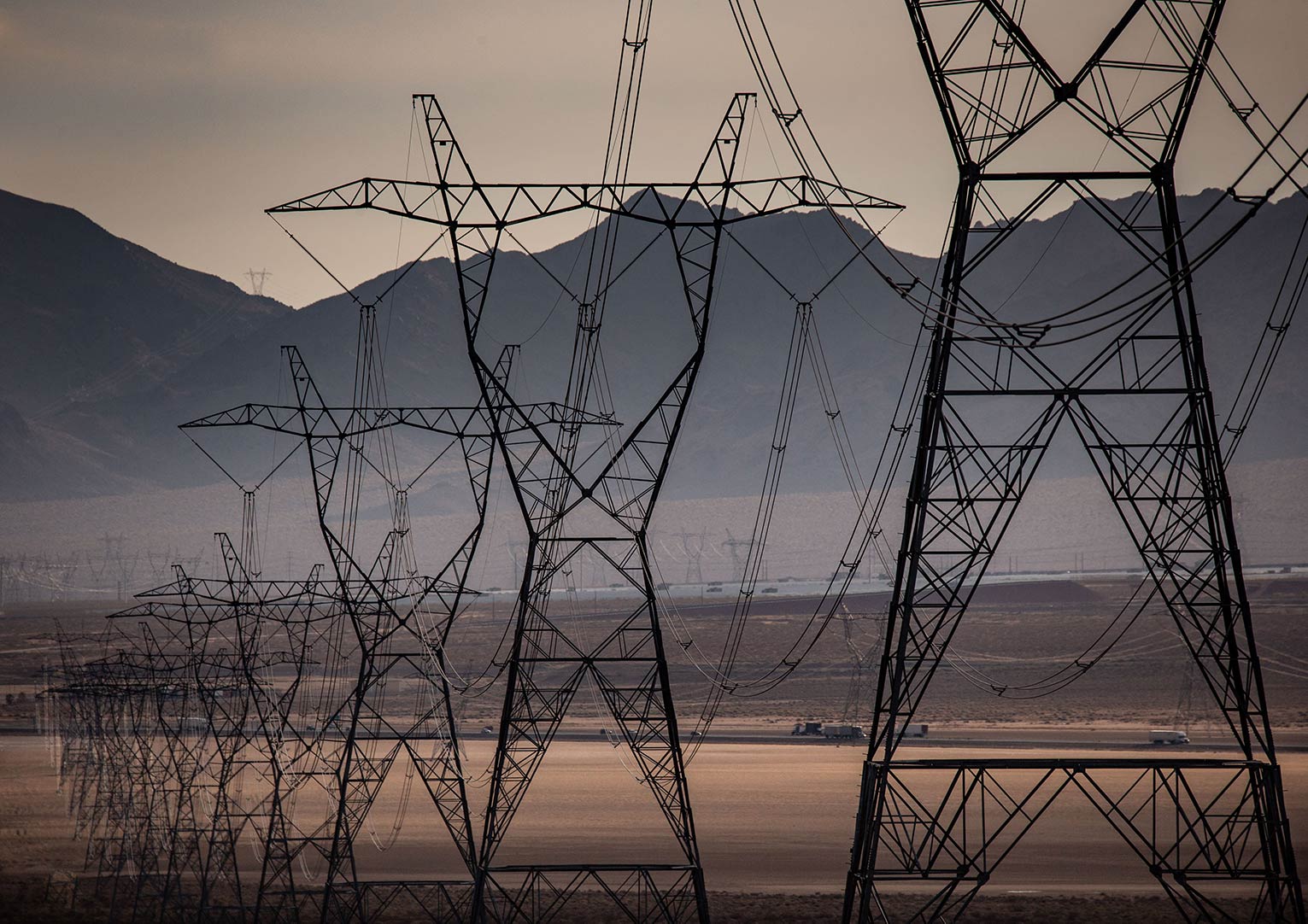
Meanwhile, supply gaps widen: the EIA expects 12.3 GW of reliable capacity (8.1 GW coal, 2.6 GW gas) to retire in 2025-up 65% from 2024-while intermittent renewables can't replace it. The DOE's July 2025 report notes only 22 GW of stable power will be added by 2030, far short of the 104 GW needed for peak demand, worsened by transmission bottlenecks, permitting delays, and poor long-duration storage.
The grid also faces multiple risks: heatwaves, wildfires, and storms damage infrastructure (once-rare blackouts like 2003's Northeast outage, affecting 50 million, now signal bigger crises); smart grids expand hacker targets (the DOE funded 16 2024 cybersecurity projects, including Georgia Tech's AI system); and substation/line sabotage rises amid exposed, aging infrastructure.
Policy and construction lag: regional operators, utilities, and states' conflicting roles delay projects (mid-2024 saw 5–7 year transmission delays; large transformers take over 30 months to deliver, some 4 years). The 2025-proposed CIRCUIT Act (10% tax credits for domestic transformers) is stuck in committee, while subsidies favor renewables over balancing tech, harming reliability.
Current fixes are mostly short-term: the DOE delayed some coal/gas plant retirements, used Federal Power Act orders to sustain supply, plans 16% more long-distance transmission (7,500 miles) by 2030 (facing permitting/local resistance), and launched $32 million 2025 pilots (smart EV charging, distributed energy) needing utility/regulator buy-in.
For investors, instability brings opportunity: NextEra Energy, Dominion, and Avangrid spend billions on grid modernization; NRG Energy benefits from higher wholesale prices (stronger stocks); Fluence, Tesla Energy see surging storage demand. Deloitte estimates $1.4 trillion in 2025–2030 power sector investment, with another $1.4 trillion by 2050; FXGT says firms offering stable power/grid services have an edge.
FXGT notes the grid isn't collapsing but is vulnerable-future crisis or 转折 depends on swift action from policymakers, utilities, and investors. Tools (stable power, smart load management, modern transmission) exist, but without coordination and incentives, energy abundance could turn to vulnerability, testing markets while opening investor opportunities.