

US Rural Energy Transition Dilemma: Ohio Counties Restrict Large Solar & Wind
Apr 17, 2026
Leave a message
Since July 2025, in accordance with Ohio Senate Bill 52 enacted in 2021, Richland County has banned the development of large-scale solar and wind projects with a capacity of 5MW and above across 11 of its 18 townships. Later, a local resident group named the Richland County Citizens for Property Rights and Economic Development launched a referendum against the restrictive renewable energy policy, deeming it unfair. The final fate of the ban will be decided by county-wide voters.
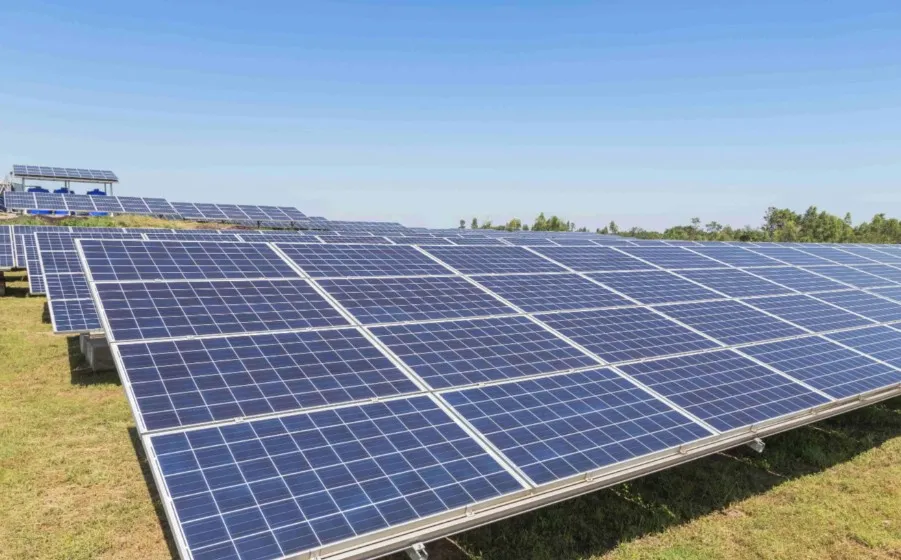
On May 5, 2026, Richland County residents will vote on whether to maintain the existing ban or allow clean energy integration into the local power mix.
Arguments to Overturn the Ban
The citizen group and its supporters are pushing to repeal the restriction with core rationales as follows.
First, property rights. They argue that local authorities should not overregulate private land use. A large number of local landowners and farmers intend to lease their land for renewable energy developments to gain stable extra income and sustain long-term land ownership.
Second, economic growth and employment opportunities. Opponents of the ban claim the restriction hinders regional economic vitality. Labor unions such as the International Brotherhood of Electrical Workers (IBEW) highlight that utility-scale renewable projects can create long-term local jobs. Without such developments, clean energy investment and industrial innovation will shift to neighboring regions.
Third, administrative procedure concerns. Critics point out that the county commission adopted the ban with insufficient public consultation and low transparency, describing the policy as a closed-door decision made by a small group of local officials.
Fourth, affordable energy and diversified options. Solar and wind power are recognized as cost-effective energy sources that help curb rising electricity bills across Ohio. The referendum is not aimed at immediate construction, but to restore the right to review and approve clean energy projects, reserving sustainable development potential for the future.
Arguments to Maintain the Ban
Those in favor of keeping the ban focus on localized and agricultural concerns.
Top priority is farmland preservation. As a key agricultural hub, Richland County faces growing worries that large solar farms and wind facilities will permanently occupy high-quality farmland and alter rural land use, threatening local food production.
Besides, local self-governance is emphasized. The original restriction was proposed by township trustees and approved by the county commission, reflecting grassroots demands that should be fully respected.
In addition, anti-renewable narratives have emerged behind local campaigns. The local group Richland County Farmland Preservation is reportedly backed by natural gas lobbying groups, spreading conventional arguments against clean energy and claiming that gas power requires far less land occupation.
Restrictions on utility-scale renewables are widespread across rural America, where most large solar and wind farms are located. Ohio has become one of the most prominent regions blocking clean energy expansion. State Senate Bill 52, passed in 2021, authorizes counties to prohibit new 5MW+ renewable installations. To date, more than 30 counties in Ohio have imposed similar limits in partial or full townships.
The upcoming May 5 referendum carries state-wide and even national symbolic significance. Beyond energy choices, it focuses on defining local government power, balancing rural economic models, and clarifying the boundaries of private property rights. Whatever the outcome, Richland County's vote will serve as a critical reference case for rural America, showing how local communities navigate energy transition, farmland protection and grassroots governance.