Off Grid And On Grid Solar System
Description
Technical Parameters
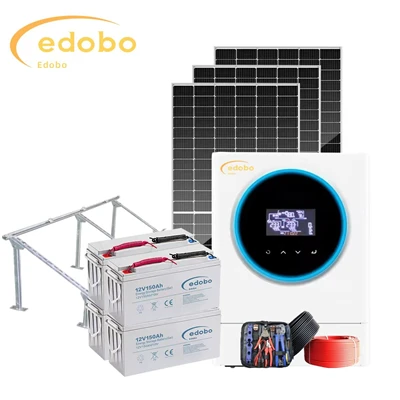
Introducing our off grid and on grid solar system:

:

Solar energy has become an increasingly popular energy source for households and businesses in recent years. One of the biggest choices for those seeking to install solar panels is deciding between an off-grid or on-grid solar system.
An off-grid solar system is completely independent from the power grid and relies solely on solar panels to generate enough energy to power a home or business. This type of system requires a large amount of battery storage to be able to store excess energy during peak times and provide energy during times when the sun isn't shining. Off-grid systems are a great option for those living in remote areas or for those who want to completely disconnect from the power grid.
On the other hand, an on-grid solar system is connected to the power grid and feeds excess energy generated by the solar panels back into the grid. This means that a home or business can still receive power from the grid during times when the solar panels aren't generating enough energy. The excess energy generated by the solar panels is often credited to the homeowner or business owner, reducing their overall electricity bill. This type of system is great for those who want to reduce their carbon footprint while still having access to power from the grid.
There are advantages and disadvantages to both types of solar systems. Off-grid systems provide complete independence from the power grid, meaning that a home or business owner does not have to rely on anyone else for their energy needs. However, the cost for an off-grid system can be quite high, as a large amount of battery storage is required. On-grid systems, on the other hand, are generally less expensive and provide homeowners and business owners with the added benefit of selling excess energy back to the grid. However, since on-grid systems require a connection to the power grid, they may not be an option for those living in remote or off-grid areas.
Advantages:
Off Grid and On Grid Solar System
Off grid and on grid solar systems are two types of solar energy systems that are designed for different purposes. Both are great for using solar energy, but they operate differently to meet different requirements.
Off Grid Solar System
An off grid solar system is designed to be completely independent of the grid. It is usually used in remote areas where utility power is unavailable or too expensive to install. Off grid systems are also popular with people who want to live a self-sustaining lifestyle, such as homesteaders, RV enthusiasts, and hunters. These systems use solar panels to generate electricity, which is then stored in batteries. The stored energy is then converted to AC power for use in the home or other applications.
On Grid Solar System
An on grid solar system is designed to work in conjunction with the existing power grid. It is used in areas where utility power is available, but electricity costs are high. On grid systems use solar panels to generate electricity, which is then fed into the utility grid. The electricity generated is first used to power the home, and any excess is fed back to the grid. The homeowner is compensated for the excess energy they generate, which can help offset energy costs.
Benefits of Off Grid and On Grid Systems
Both off grid and on grid solar systems have their advantages. For people living in remote areas, an off grid system is essential as it provides access to electricity that would otherwise not be available. It allows people to live self-sustaining lifestyles, reducing their reliance on utility providers and saving them money in the long run. On the other hand, an on grid system is more suitable for those who live in areas where utility power is available, but electricity costs are high. It provides a way to generate clean, renewable energy, and helps homeowners offset their energy costs by selling excess power back to the grid.

Usage scenarios
1. Provide power to households, reduce household electricity pressure, and save electricity costs.
2. Providing energy support for industrial electricity use such as mines and quarries, reducing environmental issues caused by traditional energy sources.
3. Providing power to public facilities such as schools, hospitals, and communities has brought convenience to the lives of citizens.
|
Item |
Components name |
Picture |
Technical data |
Quantity |
|
1 |
Mono Solar Panel |
|
Rated power:550watt, 144 half cell |
6pieces |
|
2 |
Off grid Inverter |
|
Rated capacity:4KW DC input:48VDC AC Output:230VAC±5% 50/60HZ Single Phase |
1 piece |
|
3 |
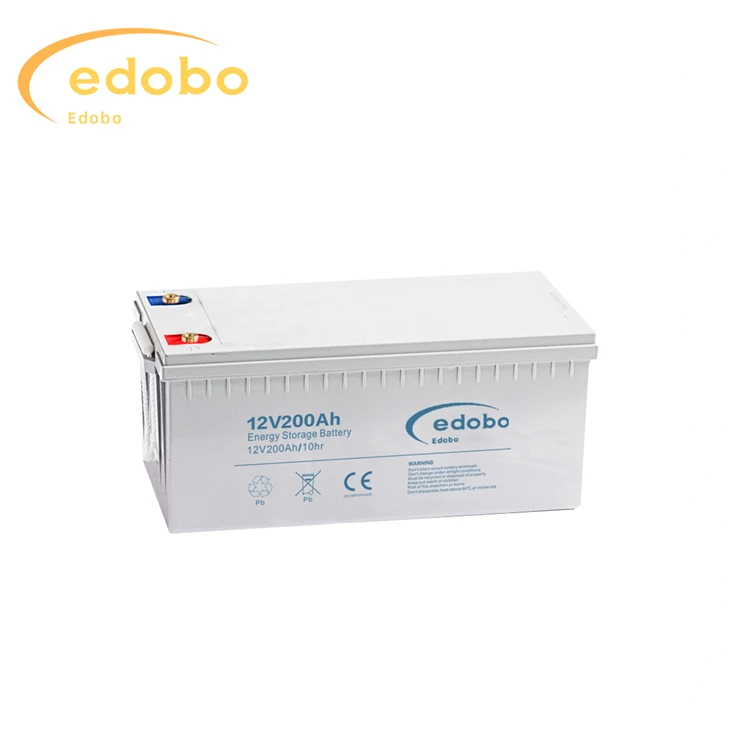
Gel battery |
|
Nominal Voltage (V) 12 |
4pieces |
|
4 |
PV cable |
|
PV1-F4 4MM2 red wire is 25m black wire is 25m |
50m |
|
5 |
PV mounting structure |
|
Anodized aluminum alloy material alloy is 6063 temper is T5 suitable for 6pc solar panel |
1set |


Edobo is a leading company in the field of solar energy products. We offer a wide range of products that are designed to meet the demands of the modern world and help our customers take advantage of renewable energy sources. Our product line includes solar panels, power systems, inverters, batteries, and other solar energy-related products.
Professional team
our team, comprising proficient engineers and professionals, is dedicated to providing comprehensive technical support, tailored solutions, and expertise to ensure the seamless integration of our solar products.
Strict Quality Control
Our state-of-the-art manufacturing facility, coupled with seasoned industry experience, ensures that every product is meticulously crafted to meet or exceed industry benchmarks.

20 Years
Experience
7K
Positive Review
9K
Order recieved
3GW
Projects Completed

Hot Tags: off grid and on grid solar system, China off grid and on grid solar system suppliers, factory, Hybrid Inverter Solar System, High Quality Solar Panels, The Best Quality Solar Panels, Inverter 70kw, Solar Panel Gel Battery, Good Battery for Solar System
Send Inquiry