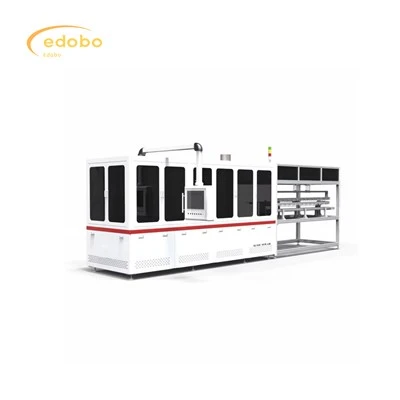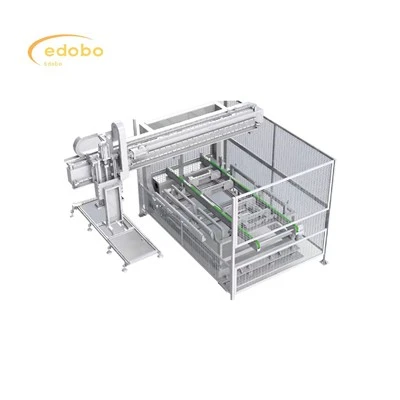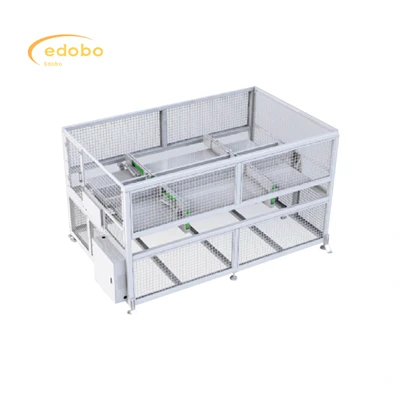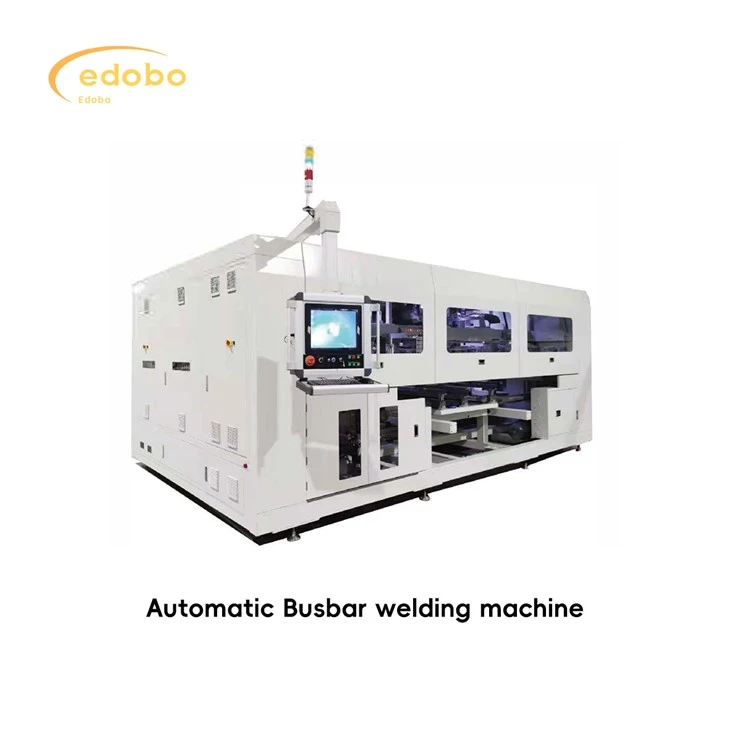
Solar Cells Busbar Welding Machine
Description
Technical Parameters


The busbar welding machine (sometimes called a "ribbon welding machine" or "interconnect welding machine" in this context) is responsible for connecting the individual strings of solar cells together electrically. Here's a breakdown:
String-to-String Connection: After the tabbing and stringing machine creates strings of interconnected cells, these strings need to be connected to form the complete electrical circuit of the solar panel. This is where the busbar welding machine comes in.
Busbar Attachment: The machine attaches "busbars" (wider, thicker conductive ribbons, usually made of copper, often tin-plated) to the ends of the strings. These busbars act as the main current collectors for the panel.
Welding (Typically Soldering): The machine uses a precise welding process (most commonly soldering, but sometimes other methods like ultrasonic welding or laser welding) to create a strong and reliable electrical connection between the busbars and the tabbing ribbon at the ends of the strings.
Series and Parallel Connections: The busbar welding machine is configured to create the desired electrical configuration for the panel. This usually involves connecting the strings in a combination of series and parallel connections to achieve the desired voltage and current output.
Series: Increases voltage.
Parallel: Increases current.
Preparation for Lamination: After the busbars are welded, the interconnected matrix of cells and busbars is ready for the lamination process, where it will be encapsulated between the glass, encapsulant, and backsheet.

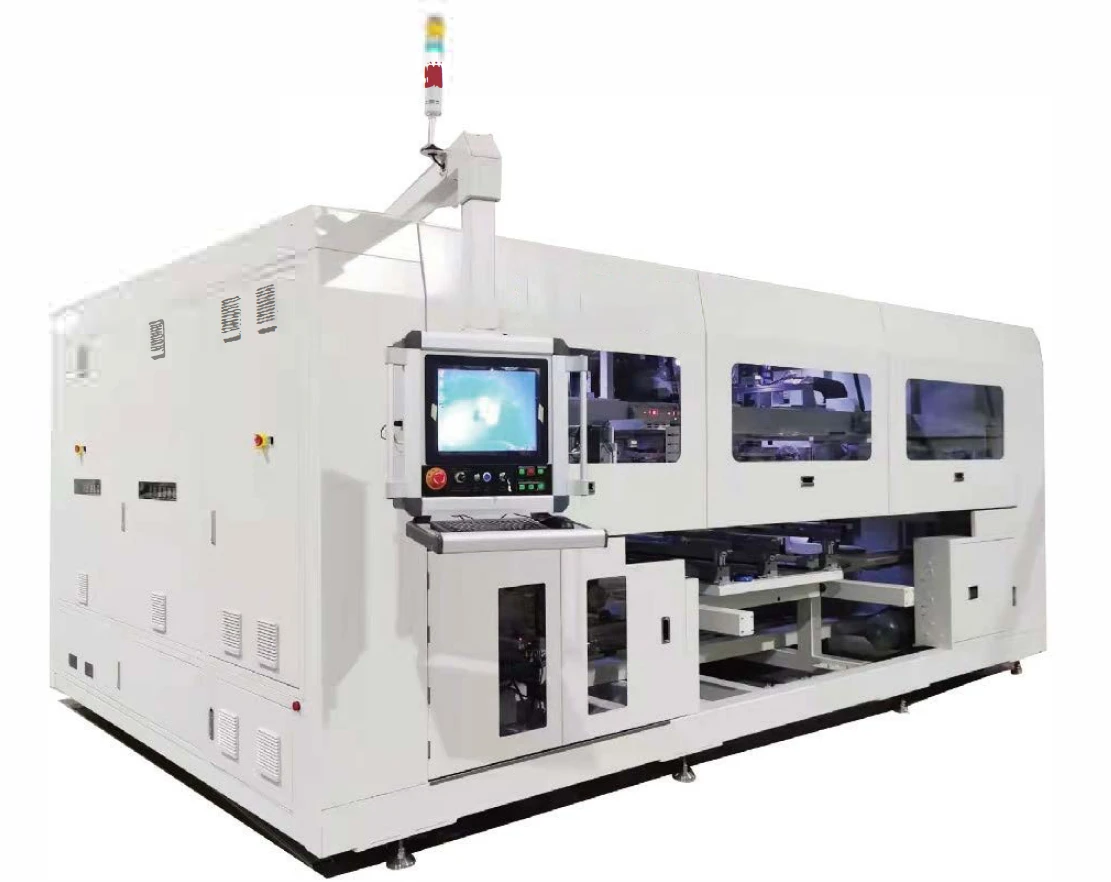

Several methods are used for busbar welding, each with its own advantages and disadvantages:
Infrared (IR) Soldering:
Uses infrared radiation to melt solder and create the weld.
Suitable for low-to-medium volume production, less expensive.
Laser Welding:
Uses a focused laser beam to melt the ribbon and busbar material.
Highly precise and efficient, suitable for high-volume production.
Can create very localized welds, minimizing heat stress on the cell.
Induction Welding:
Uses electromagnetic induction to heat the ribbon and busbar.
Offers good heat control, efficient energy use, and consistent weld quality.
Ultrasonic Welding:
Uses high-frequency vibrations to create a solid-state weld.
Can bond dissimilar metals, is energy-efficient, and is suitable for low-temperature applications.
Reflow Soldering:
The conductive ribbons are pre-soldered and then placed on the busbars. Heat is applied to reflow the solder, making the connection.
Suitable for high speed, mass production.


Hot Tags: solar cells busbar welding machine, China solar cells busbar welding machine suppliers, factory, Residential Solar Panel System, Mono Modules Solar, Home Solar System Inverter, All in One Solar Battery System, On Grid Inverter, Batterie 150ah Gel
Send Inquiry